Peter Paul Parker's Official Website
Articles And Guidance
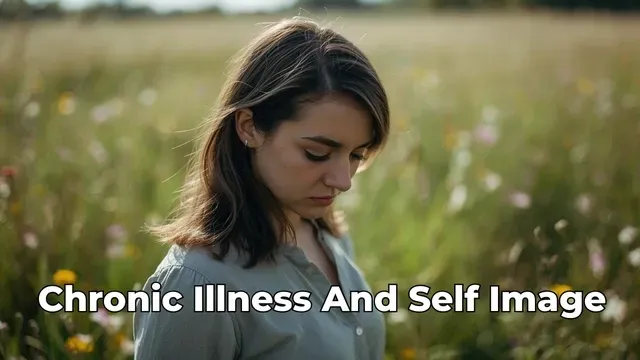
Self-Image and Chronic Illness: Rebuilding Identity After Health Changes
Self image and chronic illness are closely connected, although many people do not realise it at first.
When health changes suddenly, identity often shifts with it.
The life you once recognised may begin to feel unfamiliar.
Roles change.
Energy changes.
The body behaves differently.
Over time, these changes can quietly reshape how you see yourself.
Many people living with chronic illness begin to question their worth, their place in the world, or even who they are becoming.
This does not happen because something is wrong with you. It happens because illness can interrupt the story you once believed about yourself.
If you are navigating this experience, it can help to understand how self image is formed and why it can feel so difficult to change.
You may find grounding context in Self Image: How Healing Your Inner World Changes How You See Yourself, which explores the deeper roots of identity and emotional healing.
This article explores how chronic illness can disrupt self image, why emotional struggles such as shame or self-judgement often appear, and how identity can slowly rebuild in a kinder and more compassionate way.
Because while illness may change the shape of your life, it does not remove your worth.
And it does not mean your sense of self cannot grow again.

Self Image and Chronic Illness: When Health Changes Identity
Self image and chronic illness often become intertwined in ways people do not expect.
Before illness appears, identity is usually built around the roles a person holds and the abilities their body allows. Work, family responsibilities, hobbies, movement, and independence all shape how someone sees themselves.
When chronic illness enters life, these foundations can shift.
Energy may become unpredictable.
Activities that once felt simple may now require careful pacing.
Plans may need to change more often.
Over time, these practical changes can begin to affect identity.
A person who once felt capable may start to feel unreliable.
Someone who valued independence may begin to feel dependent on others.
Even small adjustments in daily life can slowly influence how a person views themselves.
This is why self image chronic illness challenges are so common. Illness does not only affect the body. It can reshape the story people carry about who they are.
If these changes feel confusing or unsettling, it can help to understand How Self Image Is Formed and Why It Feels So Hard to Change.
When you see how identity develops over time, it becomes easier to understand why health changes can disrupt it so deeply.
Identity can shift after illness just as it can after trauma. Trauma and Self Image: Why You Feel Broken (and Why You’re Not) explores this deeper emotional process.
How Chronic Illness Can Disrupt Self Image
Chronic illness can disrupt self image in ways that are often quiet and gradual.
At first, the focus is usually on symptoms and medical appointments. People are simply trying to understand what is happening and how to manage their health.
But over time, the deeper impact begins to appear.
Daily routines change.
Energy becomes limited.
Plans may need to be cancelled more often.
These changes can slowly reshape how a person sees themselves.
Someone who once felt dependable may begin to feel as though they are letting others down.
Someone who was active and capable may begin to question their usefulness or value.
None of these thoughts mean they are true.
They simply show how closely identity can become tied to what the body can do.
When the body changes, the mind often tries to explain the change by reshaping self image.
For many people, this experience connects with deeper emotional patterns around identity and worth. If you would like to explore this further, Self Image and Mental Health: How the Way You See Yourself Affects Wellbeing explains how self image influences emotional wellbeing over time.
Understanding this connection is an important step in rebuilding identity after illness.
Body Changes, Limitations and Identity Loss
For many people, the most difficult part of chronic illness is not only the symptoms.
It is the way the body begins to feel unfamiliar.
Strength may change.
Energy may become inconsistent.
Activities that once felt effortless may now require planning and rest.
These shifts can quietly influence self image.
When the body no longer behaves as it once did, it is common for people to question their identity. They may wonder whether they are still the same person they used to be.
This is especially true when illness limits things that once formed a strong part of identity. Work roles, hobbies, caring responsibilities, or physical independence can all shape how a person understands themselves.
When these parts of life change, self image can begin to feel unstable.
Many people start comparing their present self to who they were before illness appeared. The gap between these two versions of the self can feel painful.
Over time, this comparison can lead to a quiet sense of identity loss.
Yet this experience does not mean the self has disappeared.
It often means that identity is being asked to evolve.
If body changes are affecting how you see yourself, it may also help to understand the connection explored in Self-Image and Body Image: When Appearance Shapes Identity.
When we begin to see how strongly identity can attach to the body, it becomes easier to approach these changes with compassion rather than judgement.
The Emotional Impact of Chronic Illness on Self Image
The emotional impact of chronic illness on self image is often deeper than people expect.
Living with ongoing health challenges can bring uncertainty, frustration, and grief. Many people are not only adjusting to physical symptoms. They are also adjusting to a life that no longer moves in the way it once did.
Over time, this emotional strain can influence how a person sees themselves.
Someone who once felt confident may begin to doubt their abilities.
Someone who once felt reliable may worry that they are now a burden to others.
These thoughts are rarely spoken aloud, yet they quietly shape identity.
Chronic illness can also create a sense of isolation. When others cannot fully understand the experience, people may begin to withdraw or hide parts of their struggle.
This emotional weight can gradually reshape self image, especially when the illness has been present for a long time.
Yet these feelings are not a sign of weakness. They are a natural response to profound change.
Understanding how emotional experiences influence identity can be an important step in healing. If you would like to explore this connection more deeply, Self Image and Mental Health: How the Way You See Yourself Affects Wellbeing explains how emotional wellbeing and self image are closely linked.
Recognising this connection allows people to approach their experience with greater patience and compassion.
Why Shame and Self Judgement Often Appear
When chronic illness begins to affect self image, many people also experience shame or self judgement.
This often happens quietly.
People may begin criticising themselves for things that are no longer within their control. They may feel frustrated by their body, disappointed by their limitations, or embarrassed by the ways their life has changed.
Thoughts such as these can slowly appear:
“I should be coping better.”
“I used to be stronger than this.”
“I am letting people down.”
These thoughts are not a reflection of truth.
They are often a reflection of the pressure people place on themselves to remain the same, even when life has changed.
Society can also contribute to this pressure. Many cultures place strong value on productivity, independence, and constant capability. When illness makes these things harder, people may begin to measure themselves harshly.
Over time, this self judgement can become part of how a person sees themselves.
Yet shame is rarely the real issue. More often, it is a response to grief, loss, and the difficulty of adapting to a new reality.
When shame softens, self image can begin to stabilise again.
If harsh self judgement has become part of your experience, it may help to explore the deeper emotional patterns discussed in The Link Between Shame, Self-Image, and Emotional Healing.
Understanding the roots of shame often allows compassion to return, which creates the conditions where identity can slowly rebuild.
Rebuilding Self Image After Illness
Rebuilding self image after chronic illness rarely happens quickly.
When health changes life in significant ways, identity often needs time to adjust. The version of yourself that once felt familiar may no longer fully fit the reality you are living now.
This can feel unsettling at first.
Many people try to return to who they were before illness appeared. They push themselves to reclaim the same routines, expectations, or standards they once held.
But healing self image after chronic illness often begins in a different way.
Instead of forcing the past to return, it involves learning to meet the present version of yourself with patience.
This may include recognising new limits without turning them into personal failure.
It may involve allowing rest without attaching guilt to it.
It may also mean discovering new ways of expressing strength, creativity, or contribution.
Self image begins to stabilise again when identity expands to include the reality of illness rather than fighting against it.
This gentle rebuilding process is explored further in Rebuilding Self-Image Without Forcing Change.
Over time, many people discover that self image can grow in ways they did not expect. Illness may change certain parts of life, yet identity can still deepen through resilience, compassion, and self-understanding.
Rebuilding Self Image After Illness
Rebuilding self image after chronic illness rarely happens quickly.
When health changes life in significant ways, identity often needs time to adjust. The version of yourself that once felt familiar may no longer fully fit the reality you are living now.
This can feel unsettling at first.
Many people try to return to who they were before illness appeared. They push themselves to reclaim the same routines, expectations, or standards they once held.
But healing self image after chronic illness often begins in a different way.
Instead of forcing the past to return, it involves learning to meet the present version of yourself with patience.
This may include recognising new limits without turning them into personal failure.
It may involve allowing rest without attaching guilt to it.
It may also mean discovering new ways of expressing strength, creativity, or contribution.
Self image begins to stabilise again when identity expands to include the reality of illness rather than fighting against it.
This gentle rebuilding process is explored further in Rebuilding Self-Image Without Forcing Change.
Over time, many people discover that self image can grow in ways they did not expect. Illness may change certain parts of life, yet identity can still deepen through resilience, compassion, and self-understanding.
A Compassionate Path to a New Self Image
When chronic illness changes life, it can feel as though identity has been taken away.
Yet over time, many people discover something important.
Self image does not disappear when illness appears. It begins to transform.
The version of yourself that existed before illness may have been built around speed, productivity, or physical reliability. When those foundations shift, identity can feel uncertain for a while.
But this uncertainty also creates space for something new to emerge.
A compassionate self image often begins to grow when people stop measuring themselves against who they used to be. Instead, they begin recognising the strength it takes to live with ongoing change.
Resilience becomes visible.
Patience deepens.
Self-understanding grows.
Rather than seeing illness as proof of personal failure, identity begins to reorganise around care, wisdom, and honesty about what the body needs.
This shift does not happen overnight. It unfolds slowly as people learn to relate to themselves with greater kindness.
Small daily moments often support this transformation. Each time someone honours their limits, speaks to themselves gently, or chooses rest without guilt, self image begins to stabilise again.
If you would like to explore how small daily experiences can gradually reshape identity, Self-Image in Daily Moments: How Small Choices Rebuild Self-Trust explains how these quiet shifts accumulate over time.
A compassionate self image does not ignore illness.
It learns to include it without letting it define the whole story.
Final Thoughts
Living with chronic illness can reshape many parts of life, and self image is often one of them.
When health changes, identity can feel uncertain for a while. Roles shift, the body behaves differently, and the expectations you once held for yourself may no longer feel possible.
It is natural for these changes to affect how you see yourself.
Yet self image is not fixed.
It evolves throughout life.
Illness may alter routines, energy levels, or abilities, but it does not remove your value, your depth, or your capacity for growth.
For many people, learning to live with chronic illness gradually opens a new relationship with themselves. One that is less driven by pressure and more grounded in compassion.
Over time, identity can rebuild around honesty, care for the body, and a deeper understanding of what truly matters.
Self image does not have to return to what it once was.
It can become something wiser, kinder, and more resilient than before.
Next Steps
If chronic illness has affected how you see yourself, you are not alone. Many people find that health changes quietly reshape identity and confidence over time.
Understanding how self image forms can make this experience easier to navigate. If you would like to explore the wider foundations of identity and emotional healing, begin with Self Image: How Healing Your Inner World Changes How You See Yourself. This cornerstone guide explains how self image develops and how it can gently evolve through healing.
If you feel ready to take a deeper step, the Self Image Online Course offers a structured and compassionate path for rebuilding identity after life changes. The programme explores nervous system safety, emotional healing, and practical ways to reconnect with your sense of self.
You can explore the course here:
Heal Your Self Image
Change does not need to happen quickly. Self image rebuilds slowly, through understanding, patience, and small moments of self-compassion.

FAQs: Self Image and Chronic Illness
How does chronic illness affect self image?
Chronic illness can affect self image because it often changes the roles, abilities, and routines that once shaped identity. When energy levels, mobility, or independence shift, people may begin to question their value or purpose.
This does not mean identity is lost. It simply means self image is adjusting to new circumstances.
Understanding how identity develops can help make sense of these changes. How Self Image Is Formed and Why It Feels So Hard to Change explains how life experiences gradually shape the way we see ourselves.
Why do people feel ashamed when living with chronic illness?
Shame often appears when people believe they are no longer meeting the expectations they once held for themselves. If illness limits productivity, independence, or physical ability, individuals may begin judging themselves harshly.
These feelings are very common, yet they are rarely a reflection of reality. They usually arise from grief, loss, and the pressure to remain the same despite major life changes.
Exploring the emotional roots of shame can help soften this experience. The Link Between Shame, Self-Image, and Emotional Healing explores how shame forms and how compassion can begin to replace it.
Can self image improve while living with chronic illness?
Yes, self image can improve even while chronic illness is present.
In many cases, identity slowly rebuilds when people learn to respond to themselves with patience rather than criticism. Over time, self image may shift away from performance or productivity and become rooted in self-understanding, resilience, and compassion.
This process often begins with small daily choices. Self-Image in Daily Moments: How Small Choices Rebuild Self-Trust explains how these quiet shifts gradually strengthen identity.
How can someone rebuild identity after chronic illness?
Rebuilding identity after chronic illness usually involves accepting that life may look different while still recognising personal worth.
Helpful steps may include:
Learning new rhythms of rest and activity
Letting go of harsh self-judgement
Reconnecting with values rather than old expectations
Practising compassion toward the body
This rebuilding process often unfolds gently rather than quickly. Rebuilding Self-Image Without Forcing Change explains why identity often heals best when change is approached with patience.
Does chronic illness always damage self image?
Chronic illness can challenge self image, but it does not always damage it permanently.
For many people, living with long-term health conditions eventually leads to a deeper and more compassionate sense of self. Experiences of resilience, adaptation, and emotional growth can reshape identity in meaningful ways.
When self image begins to stabilise again, people often discover that their sense of worth is no longer tied only to what their body can do.
Further Reading
If you would like to explore how identity and emotional healing interact more deeply, these articles expand on key themes connected to self image and chronic illness.
Self Image: How Healing Your Inner World Changes How You See Yourself
A complete guide to understanding how self image forms and how it can gently change through emotional healing.How Self Image Is Formed and Why It Feels So Hard to Change
Explore the psychological and emotional roots of identity and why shifts in life circumstances can affect how we see ourselves.Rebuilding Self-Image Without Forcing Change
A compassionate approach to identity change that focuses on safety, patience, and emotional understanding.Self Image and Mental Health: How the Way You See Yourself Affects Wellbeing
Learn how self image and emotional wellbeing are closely connected, and how healing one can support the other.Self-Image and the Nervous System: Why Safety Comes Before Confidence
Understand how nervous system safety influences identity, confidence, and emotional stability.
External Research and Further Reading On Self Image
To deepen your understanding of self-image, the following evidence-based resources explore the psychology behind how we see ourselves and how a healthier self-image can be developed.
Ways to Build a Healthy Self-Image – Cleveland Clinic
This article from the Cleveland Clinic explains how self-image develops through life experiences and relationships. It explores the difference between positive and negative self-image and provides practical guidance for developing a healthier internal view of yourself.
The Power of Self-Image – Psychology Today
A psychology-based exploration of how self-image influences mental wellbeing, relationships and confidence. The article also highlights how modern influences such as social media can distort self-perception.
What Is Self-Image in Psychology? – Positive Psychology
A comprehensive overview of the psychological theory of self-image, including how it relates to self-concept and self-esteem. The article also outlines practical exercises and strategies for improving a negative self-image.
Explore The Self-Image Healing Series
Healing self-image is rarely about one single realisation.
It unfolds gradually as you begin to understand where your self-perception came from and how it can change.
The articles below explore different parts of this journey. Some focus on the roots of self-image, while others explore how it appears in everyday life, relationships, work, and spiritual growth.
You may wish to begin with the main guide and then explore the topics that feel most relevant to you.
Self-Image Foundations
Self Image: How Healing Your Inner World Changes How You See Yourself
Healing And Rebuilding Self-Image
Shame and Self Image in Emotional Healing
Self-Image In Everyday Life
People Pleasing and Self Image
Spiritual And Energetic Self-Image
Self-Image and Spiritual Practice
Spiritual Disconnection and Self Image
Spiritually Lost and Self Image
Energy and Self Image (Solar Plexus)
Sustaining Self-Image Growth
If you are new to this topic, the best place to begin is the main guide:
Self Image: How Healing Your Inner World Changes How You See Yourself
I look forward to connecting with you in the next post.
Until then, be well and keep shining.
Peter. :)

Cornerstone Articles



Do You Need A Clearer Next Step? 🢂
You do not need to know exactly what kind of support you need before exploring what is available. If your experience feels more connected with spiritual disconnection, sensitivity, intuition, awakening or a deeper desire to reconnect with yourself, you can begin by learning about the Soul Reconnection Call.
If you are looking for support with emotional patterns, shadow work, self-image or personal change — or would prefer to begin with a structured course — you can explore the available coaching and course pathways.
Free Tools
Shadow Work
Emotional Healing
Spiritually Lost
Explore
Free Tools


Copyright Peter Paul Parker 2023 <<< ✺✺✺✺✺✺✺✺✺✺✺✺✺✺✺✺✺✺✺✺✺ >>> Terms And Conditions - >>> Privacy - Linked In - YouTube - Facebook -