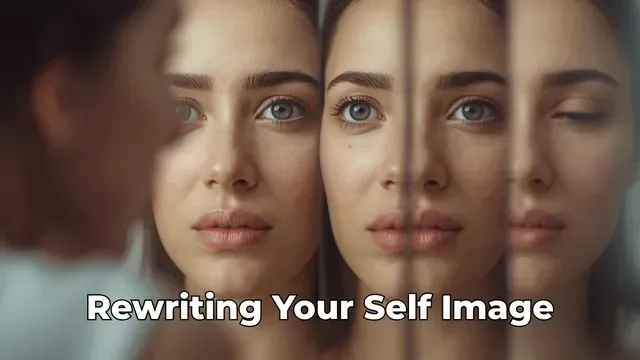
Rewriting Your Self-Image: How Identity Can Gently Change
Many people eventually reach a moment when they realise something important: the way they see themselves feels limiting, harsh, or deeply unfair.
They may understand where some of these beliefs came from, yet rewriting their self image still feels difficult.
It can seem as though the story you carry about yourself has already been written.
As if identity has been fixed for life.
But self image is rarely as fixed as it appears.
The way you see yourself develops gradually through emotional experiences, relationships, and environments that shape what the nervous system learns is safe or unsafe to express.
If those experiences involved criticism, emotional neglect, instability, or pressure to adapt, the identity that formed may have been organised around protection rather than authenticity.
This is explored more fully in Self Image: How Healing Your Inner World Changes How You See Yourself
Understanding this changes how we approach rewriting your self image. Change is not about forcing new beliefs or pretending old patterns never existed. It is about recognising that identity formed through experience — and that new experiences can gradually reshape how you relate to yourself.
This article explores how self image can change, why it sometimes feels stuck, and how compassionate shifts can gently rewrite the story you carry about who you are.

What Does “Rewriting Your Self Image” Actually Mean?
When people hear the phrase rewriting your self image, they sometimes imagine forcing themselves to believe something positive.
They may think it means repeating affirmations or trying to convince themselves that old beliefs are no longer true.
But genuine self-image change rarely works this way. Self image is not simply an idea held in the mind. It is a pattern formed through lived experience.
Over time, the nervous system learns:
Who it is safe to be.
What parts of the self are acceptable.
What behaviours protect connection or belonging.
If earlier experiences involved criticism, instability, rejection, or emotional neglect, the self image that formed may have been shaped around protection rather than authenticity.
Rewriting your self image therefore does not mean inventing a new identity.
It means gradually updating the internal story you carry about yourself as new experiences become possible.
This often happens through small but meaningful shifts:
noticing patterns of self-criticism
allowing emotions that were once suppressed
responding to yourself with more compassion
choosing boundaries where you once disappeared
As these experiences accumulate, the nervous system begins to recognise something new.
“I do not have to become someone else in order to belong.”
This is how identity slowly reorganises.
Rather than forcing change, you create the conditions where a more accurate and kinder self image can naturally emerge.
Can You Rewrite Your Self Image?
Yes, self image can change. Although identity often feels fixed, it develops through emotional experiences and repeated patterns of relating to yourself. When new experiences of safety, compassion, and self-trust are created, the nervous system can gradually update the beliefs that shape identity.
Rewriting your self image does not mean forcing positive thoughts. It usually involves understanding the experiences that shaped your identity and slowly building new ways of relating to yourself.
Why Self Image Feels So Difficult to Change
Many people assume that once they understand the roots of their struggles, change should happen quickly. But when it comes to self image, insight alone rarely creates immediate transformation.
This can feel frustrating. You might recognise where your beliefs came from, understand how certain experiences shaped you, and still find yourself reacting to life in the same familiar ways.
The reason is that self image is not stored only in thoughts. It is shaped through emotional memory and nervous system expectations.
From a very early age, the body begins learning what is safe. If certain emotions led to criticism, rejection, or instability. If certain emotions led to criticism, rejection, or instability, the nervous system adapts in order to protect connection and belonging.
These adaptations might include:
becoming highly responsible or perfectionistic
suppressing emotions
prioritising other people’s needs
avoiding visibility or conflict
becoming strongly self-critical
Over time these strategies become deeply familiar. Instead of feeling like protective responses, they start to feel like personality traits or identity.
This is one of the reasons identity can feel so fixed.
The deeper origins of this process are explored in How Self-Image Is Formed and Why It Feels So Hard to Change.
Trauma and emotional stress can also reinforce these patterns. When the nervous system expects criticism or rejection, it naturally interprets many situations through that lens.
This dynamic is explored further in Trauma and Self Image: Why You Feel Broken (and Why You’re Not).
Understanding the role of the nervous system is also important. Identity is not simply a mental concept. It is connected to how safe the body feels to exist, express emotion, and take up space.
You can explore this perspective in Self Image and the Nervous System: Why Safety Comes Before Confidence.
When these layers are understood together, the difficulty of rewriting self image begins to make sense. The goal is not to force change, but to create new experiences that allow the nervous system to update its expectations about who you are allowed to be.

How Self Image Begins to Change
Although self image can feel deeply ingrained, it is not fixed. Because identity develops through experience, it can also change through new experiences that gradually reshape the way you relate to yourself.
This process rarely happens through force or sudden breakthroughs. More often it begins with small shifts in awareness and compassion.
For example, the process of rewriting your self image may begin when you start noticing familiar patterns such as harsh self-criticism, people-pleasing, or withdrawing from opportunities. Instead of immediately judging these responses, you begin to observe them with curiosity.
This shift alone can soften the inner environment.
Many people find it helpful to approach identity change through gentle, repeatable experiences that create new emotional expectations. These experiences might include:
responding to mistakes with patience instead of criticism
allowing needs and boundaries to exist without immediate guilt
expressing emotions in safe environments
noticing moments of self-respect or self-trust
practising grounding or embodied awareness
Over time these experiences begin to challenge the old identity.
The nervous system slowly learns that new ways of relating to yourself are possible.
This approach is explored further in Rebuilding Self-Image Without Forcing Change.
Daily experiences also play a powerful role. Small moments of self-respect, honesty, and emotional awareness can gradually reshape identity.
You can explore this idea more deeply in Self-Image in Daily Moments: How Small Choices Rebuild Self-Trust.
Instead of trying to erase the old self image, healing often involves expanding the way you relate to yourself. As compassion grows and emotional safety increases, the identity that once felt fixed begins to soften.
And from that place, rewriting your self image becomes possible.
Gentle Practices That Support Identity Change
Rewriting your self image is rarely about forcing yourself to believe something new. Instead, it often begins with creating small experiences that gently challenge the old identity.
These experiences help the nervous system feel safe enough to loosen long-standing patterns of self-judgement and protection.
Many people find that simple, repeatable practices can support this process.
For example, you might begin by noticing how you speak to yourself during difficult moments. Instead of responding to mistakes with harsh criticism, you might experiment with responding the way you would speak to someone you care about.
This small shift begins to introduce a different emotional environment inside your own mind.
Embodied practices can also be helpful. Grounding exercises, breath awareness, or gentle movement help communicate safety to the nervous system. When the body feels calmer, the mind becomes less reactive and more open to new experiences.
You can explore some of these approaches in Embodying a Kinder Self-Image: Simple Grounding Practices That Stick.
Inner child work can also support identity change. When earlier emotional parts of yourself are acknowledged and treated with compassion, the beliefs that formed around those experiences often begin to soften.
This process is explored further in Inner Child Healing and Self Image: Rebuilding the Self You Never Got to Be.
For many people, rewriting self image also involves recognising relational patterns. If approval or acceptance once depended on adapting to other people’s expectations, the habit of people-pleasing may have become part of identity.
Learning to recognise and gently shift these patterns can create space for a more authentic sense of self.
You can explore this dynamic in People-Pleasing, Boundaries, and Self Image: Who Are You Without Approval?.
Over time, these small practices create new emotional experiences. Instead of reinforcing an identity built around criticism or adaptation, they gradually support an identity grounded in compassion, awareness, and self-trust.
And as these experiences accumulate, rewriting your self image becomes less about effort and more about allowing a different relationship with yourself to emerge.
Final Thoughts
Rewriting your self image is not about becoming someone completely different. It is about gradually releasing the beliefs and adaptations that once helped you survive but no longer reflect who you truly are.
For many people, the identity they carry was shaped during moments when emotional safety was uncertain. In those environments the nervous system learned to adapt, often through self-criticism, people-pleasing, or emotional restraint.
These patterns may have once protected connection and belonging. But over time they can become limiting stories about who you are allowed to be.
Understanding this changes the way we approach identity change. Instead of trying to force new beliefs or reject the past, healing often begins with compassion.
When the experiences that shaped your identity are understood with kindness, the harshness of self-judgement can begin to soften. Gradually, the story you carry about yourself becomes less rigid.
Through repeated experiences of safety, awareness, and self-trust, identity can begin to reorganise around acceptance rather than protection.
Rewriting your self image is rarely a dramatic transformation. More often it is a quiet process of remembering that you were never as limited as the old story suggested.
Next Steps
If the ideas in this article resonate, the next step is not to force a new identity. It is to continue gently exploring the experiences that shaped how you see yourself.
A helpful place to begin is the cornerstone guide for this topic:
Self Image: How Healing Your Inner World Changes How You See Yourself
This guide explores how identity forms through emotional experiences, relationships, and nervous system learning. Understanding these foundations can make the process of rewriting your self image feel far less confusing.
If you feel ready to go deeper into rebuilding a kinder and more stable self image, you may also find support in the following programme:
This trauma-aware course explores self-image healing through shadow integration, emotional repair, and embodied practices that allow identity to evolve safely and naturally.
You do not need to rush this process.
Self image changes gradually as new experiences teach the nervous system a different story about who you are allowed to be.

Frequently Asked Questions On Rewriting Your Self Image
Can you really rewrite your self image?
Yes. Self image develops through repeated emotional experiences, especially during childhood and formative relationships. Because it forms through experience, it can also change through new experiences that create emotional safety, compassion, and self-trust.
The process is usually gradual rather than sudden, but meaningful change is possible.
Why does my self image feel so fixed?
Self image often feels fixed because it is supported by nervous system patterns and emotional memories. When identity beliefs are formed during emotionally intense experiences, they can become deeply embedded in how the body expects relationships and safety to work.
This is why change often requires new emotional experiences rather than simply new thoughts.
How long does it take to change your self image?
There is no fixed timeline. For some people the process begins quickly once patterns are recognised, while for others it unfolds gradually over time.
Because identity is shaped by many years of experiences, meaningful change often develops through repeated moments of self-awareness, emotional safety, and compassionate self-relationship.
What helps change self image?
Several approaches can support identity change, including:
understanding the experiences that shaped identity
recognising patterns of self-criticism
practising self-compassion
developing emotional safety in the nervous system
building supportive relationships
exploring shadow work and inner child healing
These approaches help create the new experiences that gradually reshape identity.
Explore The Self-Image Healing Series
Healing self-image is rarely about one single realisation.
It unfolds gradually as you begin to understand where your self-perception came from and how it can change.
The articles below explore different parts of this journey. Some focus on the roots of self-image, while others explore how it appears in everyday life, relationships, work, and spiritual growth.
You may wish to begin with the main guide and then explore the topics that feel most relevant to you.
Self-Image Foundations
Self Image: How Healing Your Inner World Changes How You See Yourself
Healing And Rebuilding Self-Image
Shame and Self Image in Emotional Healing
Self-Image In Everyday Life
People Pleasing and Self Image
Spiritual And Energetic Self-Image
Self-Image and Spiritual Practice
Spiritual Disconnection and Self Image
Spiritually Lost and Self Image
Energy and Self Image (Solar Plexus)
Sustaining Self-Image Growth
If you are new to this topic, the best place to begin is the main guide:
Self Image: How Healing Your Inner World Changes How You See Yourself
Further Reading
If you would like to explore the deeper layers of identity healing, these articles expand on the themes discussed here.
Self Image: How Healing Your Inner World Changes How You See Yourself
A comprehensive guide to understanding how identity forms and how emotional healing reshapes the way you see yourself.Trauma and Self Image: Why You Feel Broken (and Why You’re Not)
Explores how trauma and emotional experiences influence identity and self-perception.Self Image and the Nervous System: Why Safety Comes Before Confidence
Explains the important role nervous system safety plays in rebuilding identity and self-trust.Embodying a Kinder Self-Image: Simple Grounding Practices That Stick
Practical grounding practices that support compassionate identity change.
External Research and Further Reading On Self Image
To deepen your understanding of self-image, the following evidence-based resources explore the psychology behind how we see ourselves and how a healthier self-image can be developed.
Ways to Build a Healthy Self-Image – Cleveland Clinic
This article from the Cleveland Clinic explains how self-image develops through life experiences and relationships. It explores the difference between positive and negative self-image and provides practical guidance for developing a healthier internal view of yourself.
The Power of Self-Image – Psychology Today
A psychology-based exploration of how self-image influences mental wellbeing, relationships and confidence. The article also highlights how modern influences such as social media can distort self-perception.
What Is Self-Image in Psychology? – Positive Psychology
A comprehensive overview of the psychological theory of self-image, including how it relates to self-concept and self-esteem. The article also outlines practical exercises and strategies for improving a negative self-image.
I look forward to connecting with you very soon.
Until then, be well and keep shining.
Peter. :)