Peter Paul Parker's Official Website
Highly Sensitive Person HSP HUB

Are You A Highly Sensitive Person Like Me?
Discovering that I was a Highly Sensitive Person changed the way I understood myself.
For years, I had been described as oversensitive, over-emotional, too thoughtful and even too moralistic. Learning about high sensitivity gave me a much clearer way of understanding experiences that had previously felt difficult to explain.
Since then, I have explored how practices such as Qi Gong, reflective psychology and embodied awareness can help me work with my sensitivity in a more grounded way.
This HSP Hub brings together the articles, videos and practical resources I have created to help you understand high sensitivity, recognise some of the challenges it can bring and explore ways of living more comfortably with the way you experience the world.
If you are still trying to understand the trait itself, a good place to begin is What Is A Highly Sensitive Person? The Complete Guide.
How Highly Sensitive Are You? Take the Free HSP Quiz
Have you ever wondered how sensitive you really are?
This free, 15-question Highly Sensitive Person quiz explores how you respond to sensory experiences, emotions, relationships and everyday environments.
At the end, you will receive a personal sensitivity score, an explanation of what your answers may suggest, and a recommended next step.
There are no right or wrong answers, and you do not need a diagnosis to explore your sensitivity.
Take the quiz below to discover more about your sensitivity.
Is Being Highly Sensitive A Curse?
No. Being highly sensitive is not a curse, but it does not need to be described as a special gift either.
The scientific term associated with high sensitivity is Sensory Processing Sensitivity (SPS). People higher in this trait can process sensory, emotional and environmental information deeply, which can make overstimulation and intense situations more demanding.
The same sensitivity can also contribute to qualities such as noticing subtleties, emotional responsiveness and a rich inner experience.
Much depends on the individual and the environment around them. Understanding your sensitivity can help you recognise both what challenges you and what supports you.
For a deeper look at the research, read The Science Of Highly Sensitive People.
Could Earlier Emotional Experiences Still Be Affecting You?
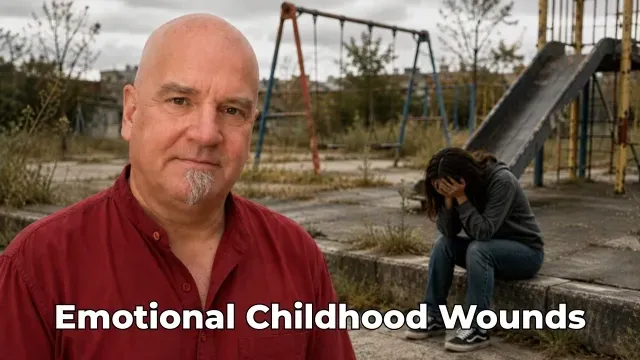
Highly sensitive people can sometimes carry earlier emotional experiences very deeply.
You may notice this through strong reactions to criticism or rejection, people-pleasing, difficulty setting boundaries, fear of conflict, or a feeling that certain situations affect you more deeply than you expect.
If you are beginning to wonder whether some of these patterns may have roots in childhood, my free Emotional Childhood Wounds Webinar can help you explore that connection.
The webinar looks at how earlier emotional experiences may continue to influence thoughts, feelings, relationships and patterns in adult life, and introduces the Dream Method as a compassionate framework for understanding what you discover.
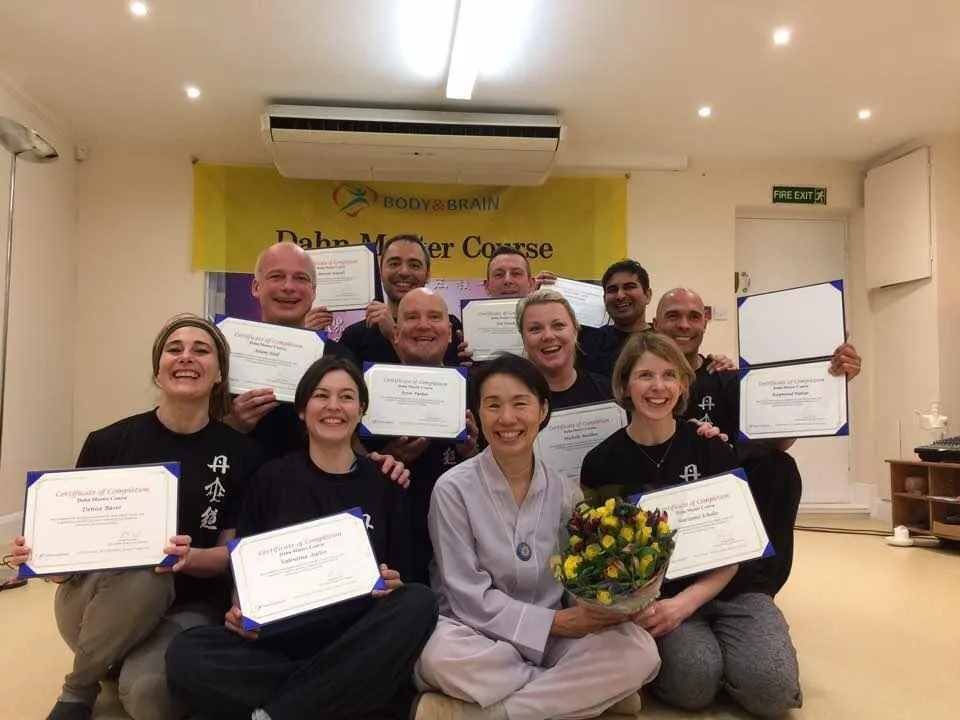
I Am A Highly Sensitive Human Being
Understanding that I was highly sensitive helped me make sense of experiences that had felt difficult to explain for much of my life.
The important change was not learning how to become less sensitive. It was learning how to understand my responses, recognise what I needed and work with my sensitivity rather than continually judging myself for it.
Practices such as Qi Gong, embodied awareness and reflective inner work became important parts of that process. They helped me become more grounded in my body, more aware of emotional patterns and clearer about what supported me when life became overstimulating or intense.
This personal journey also influenced the development of the Dream Method:
Discover → Realise → Embrace → Actualise → Master
At its heart, the method reflects something I learned through my own experience: meaningful change begins with understanding what is happening within us, rather than fighting against who we are.
Testimonials On The Dream Method By HSP's

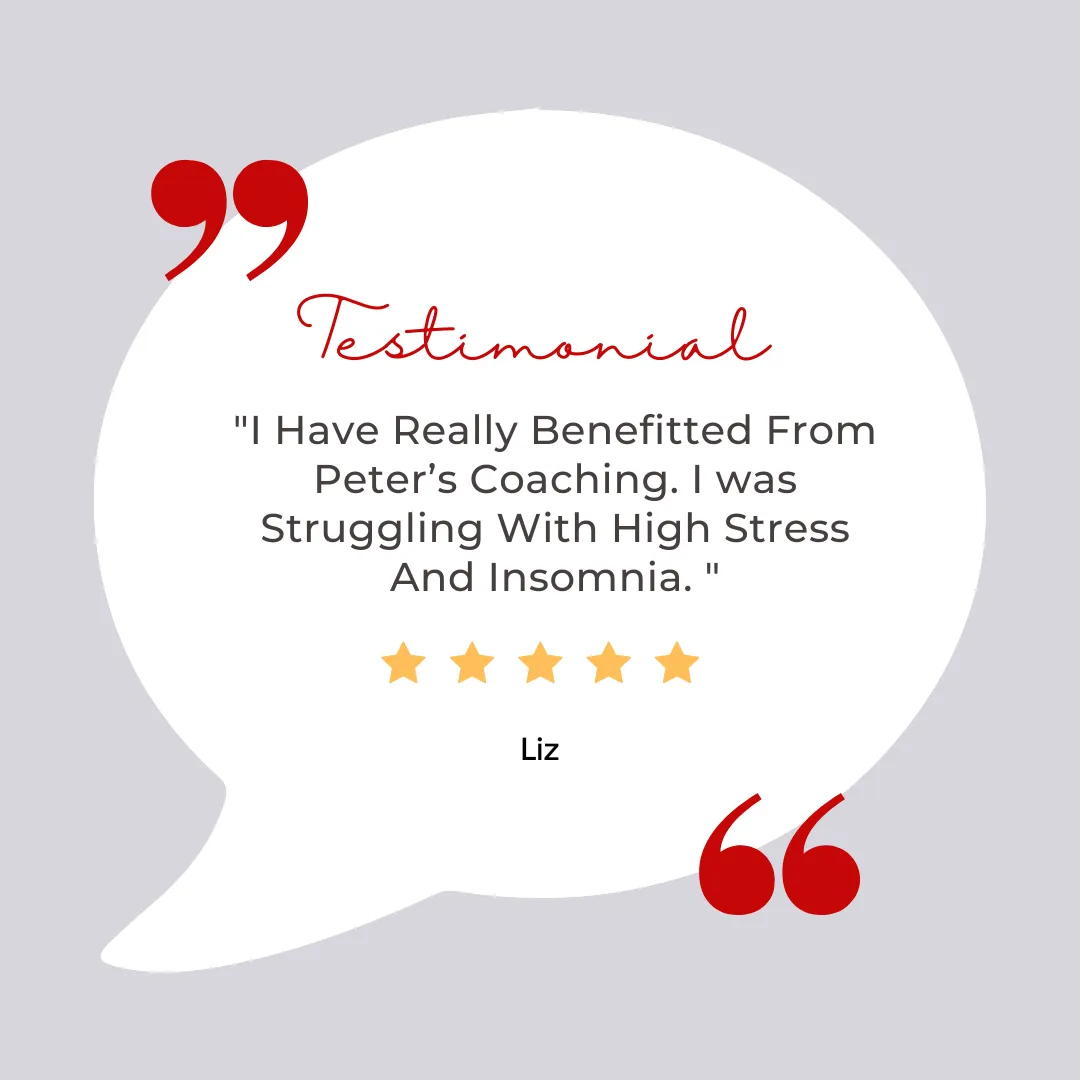

Video Testimonials On The Dream Method By HSP's
5 Challenges Highly Sensitive People Face
Being highly sensitive can bring particular challenges, especially when there is a lot of sensory, emotional or social information to process.
1. Emotional Overload
Some HSPs experience emotions deeply and may need more time to process emotionally intense situations. When several demands arrive at once, this can sometimes become overwhelming.
2. Sensitivity To Criticism
Criticism, conflict or harsh communication can sometimes affect a Highly Sensitive Person strongly, particularly when they have already been under stress.
Learning to pause, reflect and separate useful feedback from unnecessarily hurtful communication can make these situations easier to navigate.
3. Overstimulation
Crowded places, sustained noise, bright lighting, busy social environments or too many demands at once can become exhausting.
Understanding overstimulation in Highly Sensitive People can help you recognise your own signs earlier and make practical adjustments.
4. Adjusting To Change
Some HSPs find unfamiliar environments and unexpected changes demanding because there is more new information to take in and process.
This does not mean that Highly Sensitive People cannot cope with change. Allowing enough preparation and adjustment time can make transitions considerably easier.
5. Becoming Strongly Affected By Other People's Emotions
HSPs may notice subtle changes in tone, expression, behaviour and emotional atmosphere very quickly.
At times, this can make it difficult to recognise where another person's emotional experience ends and your own begins.
Clear boundaries and enough space to reconnect with yourself can help. For a deeper exploration, read Highly Sensitive People And Relationships: Love, Boundaries And Intimacy.
3 Ways to Thrive as a Highly Sensitive Person
1. Create A Supportive Environment
Notice which surroundings help you feel settled and which regularly leave you overstimulated. Small adjustments to noise, lighting, interruptions and recovery time can make everyday life easier to navigate.
For more practical ideas, explore Coping Strategies For Highly Sensitive People.
2. Set Healthy Boundaries
Being sensitive does not mean you have to remain available to everyone all the time.
Clear boundaries around your time, relationships and responsibilities can help you stay connected to others without continually stretching yourself too far.
For practical guidance, read Boundaries For HSPs: Warm, Clear And Kind.
3. Understand And Work With Your Sensitivity
Rather than deciding that sensitivity is either a weakness or a special gift, become curious about how it actually affects you.
Notice where it creates challenges, where it supports qualities you value, and what helps you function at your best.
The more clearly you understand your own sensitivity, the easier it becomes to make choices that genuinely support you.
Frequently Asked Questions On Highly Sensitive People
What Does It Mean To Be A Highly Sensitive Person?
A Highly Sensitive Person is someone who experiences a relatively high level of Sensory Processing Sensitivity (SPS).
This can involve noticing subtle information, processing experiences deeply, responding strongly to emotional or sensory input and becoming overstimulated when there is too much happening at once.
For a fuller introduction, read What Is A Highly Sensitive Person? The Complete Guide.
How Can I Tell If I Am Highly Sensitive?
- You may recognise patterns such as:
- becoming overwhelmed by sustained noise or busy environments;
- needing time to process emotional experiences;
- noticing subtleties other people may overlook;
- feeling strongly affected by criticism or conflict;
- needing quiet after intense social situations;
- having a rich and reflective inner experience.
No single sign proves that you are highly sensitive. It is the broader pattern that matters.
If you recognise several of these characteristics and would like to explore them further, read Signs You’re a Highly Sensitive Person (Traits & HSP Test). This article explores 12 common signs of high sensitivity and includes a short self-reflection questionnaire to help you understand your own experiences.
Is Being Highly Sensitive A Weakness Or A Disorder?
No. Sensory Processing Sensitivity is studied as an individual-difference trait rather than a mental-health diagnosis.
High sensitivity can create genuine challenges, particularly around overstimulation and demanding environments, but its effects vary considerably between people.
For a deeper look at the evidence, read The Science Of Highly Sensitive People.
Are Highly Sensitive People Deep Thinkers?
Depth of processing is one of the central ideas associated with Sensory Processing Sensitivity.
However, describing HSPs as “deep thinkers” is an everyday shorthand rather than a scientific category. It does not mean that every Highly Sensitive Person thinks more deeply about every subject than someone lower in sensitivity.
The research is explored more fully in The Science Of Highly Sensitive People.
Is Being Highly Sensitive the Same as Autism?
No. High sensitivity and autism should not be treated as the same thing.
Some sensory experiences can overlap, and a person can also be both autistic and highly sensitive, but Sensory Processing Sensitivity is not itself autism.
If you are wondering whether your own experiences may relate to autism, an HSP description or questionnaire cannot provide a diagnosis. An appropriate professional assessment is the right route for exploring that question.
Is Being Highly Sensitive the Same as ADHD?
No. Sensory Processing Sensitivity and ADHD are different concepts.
There can be overlapping experiences, such as finding highly stimulating environments difficult, but one should not be used as a substitute explanation for the other.
If ADHD is something you are personally concerned about, an appropriate professional assessment is more useful than trying to determine it from HSP characteristics alone.
What Is The “Dark Side” Of Being A Highly Sensitive Person?
I would not describe sensitivity itself as having a dark side.
What people usually mean by this question is the more difficult side of high sensitivity, which can include overstimulation, emotional exhaustion, difficulty with boundaries, overthinking or being strongly affected by conflict and criticism.
These are challenges that can be understood and worked with rather than evidence that there is something inherently wrong with being sensitive.
For the spiritual side of this question, read Spiritual Challenges For Highly Sensitive People.
Are Highly Sensitive People More Spiritual?
Not necessarily.
Some HSPs experience their sensitivity as closely connected with intuition, spirituality or a strong sense of meaning, while others do not understand their sensitivity spiritually at all.
For the evidence and the different ways this relationship can be understood, read Spirituality And The Highly Sensitive Person.
What Kind Of Partner Does A Highly Sensitive Person Need?
There is no single ideal partner for every HSP.
Qualities such as respect, clear communication, emotional safety and willingness to honour one another's boundaries can be particularly valuable, but relationship compatibility depends on far more than sensitivity alone.
Explore this more deeply in Highly Sensitive People And Relationships: Love, Boundaries And Intimacy.
How Can A Highly Sensitive Person Reduce Overstimulation?
Start by recognising your own early signs of overload.
Quiet recovery time, reducing unnecessary sensory input, creating clearer boundaries and allowing enough rest between demanding situations can all help.
For detailed guidance, read Overstimulation In Highly Sensitive People.
Explore More About Being Highly Sensitive
What Is A Highly Sensitive Human Being?
A Highly Sensitive Person experiences a relatively high level of Sensory Processing Sensitivity, which can involve deeper processing, awareness of subtleties, emotional responsiveness and susceptibility to overstimulation.
Explore what it means to be a Highly Sensitive Person in the complete guide.
Are you frequently emotionally exhausted As A HSP?
Highly Sensitive People can sometimes feel emotionally exhausted when stress, intense relationships, overstimulation or too little recovery build up over time.
Explore why emotional exhaustion can affect HSPs and what may help.
Do you find it incredibly difficult to function without proper sleep As A HSP?
Lack of sleep can make sensory input, emotional demands and busy environments feel much harder to manage, especially if you are already prone to overstimulation.
Explore the relationship between sleep, exhaustion and high sensitivity.
Do you react badly to criticism or conflict As A HSP?
Highly Sensitive People can sometimes experience criticism or conflict very intensely, especially when they are already stressed or overstimulated.
Explore why criticism and conflict can feel so difficult for HSPs and how to respond more steadily.
Why Can Pressure Feel So Difficult for Highly Sensitive People?
Deadlines, time pressure and demanding environments can feel particularly stressful for some Highly Sensitive People, especially when there is little space to process or focus.
Explore why pressure can feel so difficult for HSPs and ways to work with it more steadily.
Why Can Change Feel Difficult for Highly Sensitive People?
Some Highly Sensitive People find unfamiliar situations and major changes demanding because there can be a great deal of new information and experience to process at once.
Explore why change can feel difficult for HSPs and how adapting can become easier.
Highly sensitive people have a richer and more complex inner world.
Highly Sensitive People often describe having a rich inner world, with deep reflection, strong emotional awareness and a tendency to notice connections that others may miss.
Explore the inner world of Highly Sensitive People and how this depth can shape everyday experience.
Want to explore further? Browse the wider collection of practical guidance on sensitivity, relationships, emotions, overstimulation and everyday HSP life. Explore more Highly Sensitive Person articles.
The Dream Method For Highly Sensitive People

The Dream Method For Highly Sensitive People
The Dream Method offers Highly Sensitive People a compassionate five-step process for exploring patterns, understanding emotional reactions and bringing greater awareness into everyday life: Discover → Realise → Embrace → Actualise → Master.
Rather than trying to change your sensitivity, the process encourages you to understand yourself more deeply and work with what you discover at a pace that feels sustainable.
Explore the free Dream Method Pathway and begin with Discover.
Intuition And Highly Sensitive People
Some Highly Sensitive People describe having strong intuitive impressions or noticing subtle changes before they can consciously explain what they have picked up. This may involve pattern recognition, bodily sensations, emotional awareness or close attention to social and environmental cues.
Intuition can be valuable, but it is best approached alongside reflection, evidence and practical judgement rather than assuming every strong feeling is an intuitive message.
Explore intuition and spiritual sensitivity in Highly Sensitive People.
When You Would Like More Personal Support
Being highly sensitive is not something that needs to be fixed.
For many people, understanding their sensitivity and learning how to work with it is enough. For others, sensitivity can become intertwined with emotional patterns, relationships, questions of identity or a deeper spiritual experience.
When you would like more personal support, there are two different ways you can explore working with me.
One-to-One Coaching
One-to-One Coaching may be the clearer place to begin if your sensitivity is showing up through patterns such as:
People-pleasing or putting other people's needs before your own.
Difficulty setting boundaries without guilt.
Overthinking and replaying conversations.
Emotional triggers or repeating relationship patterns.
Feeling responsible for other people's reactions.
Losing confidence in your own needs, choices or judgement.
The purpose is not to make you less sensitive. We explore what may be happening beneath these patterns and work towards greater awareness, clearer boundaries, more choice in how you respond and a stronger relationship with yourself.
Soul Reconnection
For some highly sensitive people, their experience has a more spiritual or intuitive dimension.
You may feel spiritually disconnected, unusually intuitively aware, uncertain about experiences that seem difficult to explain, or find yourself questioning meaning, purpose and the direction your life is taking.
You may also be moving through a period of spiritual awakening and want somewhere grounded to explore what you are experiencing without being told what to believe or what your experience means.
In that case, the Soul Reconnection pathway may be the more natural place to begin.
Explore the Soul Reconnection Call
There can naturally be overlap between emotional sensitivity and spiritual experience.
You do not need to fit perfectly into one category. These two pathways simply help you identify which aspect of what you are experiencing feels most important to explore first.
Studies On Highly Sensitive People
If you would like to explore the scientific research behind high sensitivity, these studies and reviews provide useful starting points:
Sensory-Processing Sensitivity And Its Relation To Introversion And Emotionality – the foundational 1997 research introducing Sensory Processing Sensitivity as a measurable psychological construct.
Sensory Processing Sensitivity In The Context Of Environmental Sensitivity – a major scientific review examining the evidence for SPS and placing it within the wider Environmental Sensitivity framework.
The Highly Sensitive Brain – fMRI research exploring associations between Sensory Processing Sensitivity and neural responses involved in awareness, empathy and emotional information.
Genetic Architecture Of Environmental Sensitivity – twin research examining the genetic and environmental influences associated with differences in sensitivity.
Sensory Processing Sensitivity And Overstimulation In Daily Life – recent research examining how sensory conditions, fatigue, mood and social environments relate to overstimulation in everyday life.
Sensory Processing Sensitivity Is Associated With Religiosity And Spirituality – 2024 research finding an association between higher SPS and greater self-reported spirituality and religiosity without establishing causation.
Do You Need A Clearer Next Step? 🢂
You do not need to know exactly what kind of support you need before exploring what is available. If your experience feels more connected with spiritual disconnection, sensitivity, intuition, awakening or a deeper desire to reconnect with yourself, you can begin by learning about the Soul Reconnection Call.
If you are looking for support with emotional patterns, shadow work, self-image or personal change — or would prefer to begin with a structured course — you can explore the available coaching and course pathways.
Free Tools
Shadow Work
Emotional Healing
Spiritually Lost
Explore
Free Tools


Copyright Peter Paul Parker 2023 <<< ✺✺✺✺✺✺✺✺✺✺✺✺✺✺✺✺✺✺✺✺✺ >>> Terms And Conditions - >>> Privacy - Linked In - YouTube - Facebook -