Peter Paul Parker's Official Website
Articles And Guidance
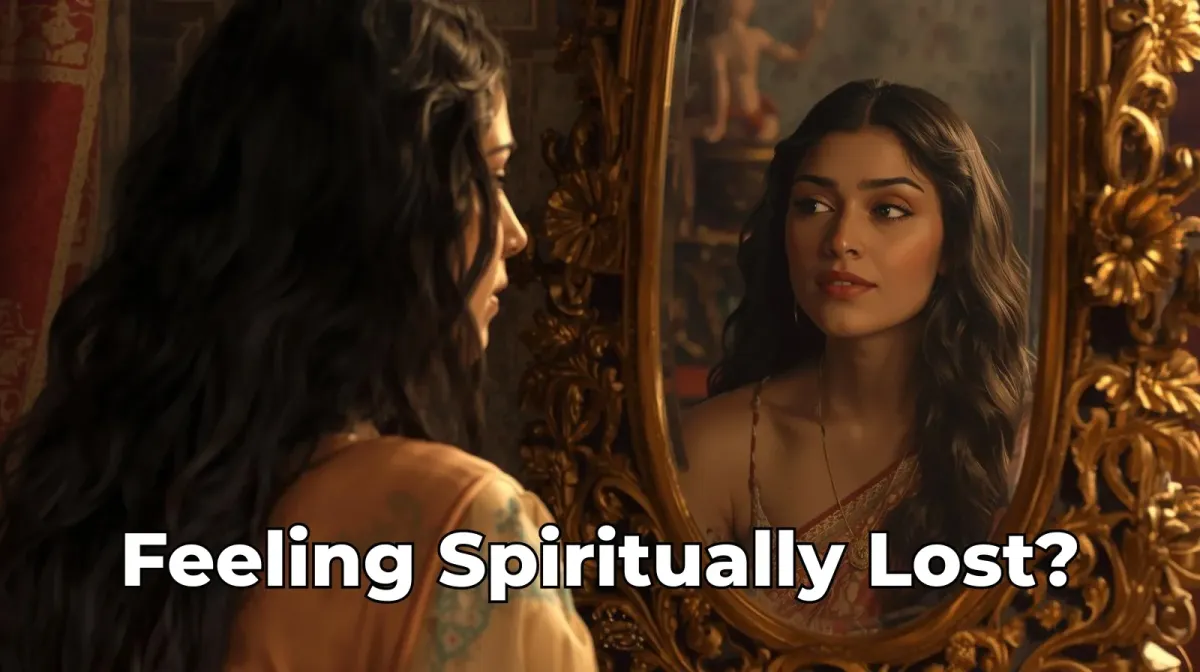
Spiritually Lost and Self Image: When You No Longer Know Who You Are
When you feel spiritually lost, your self image often begins to unravel.
The identity you once relied on may suddenly feel uncertain.
Beliefs that once grounded you may no longer feel convincing.
Practices that once gave meaning may begin to feel distant or empty.
This experience can be deeply unsettling because self image is closely tied to identity. When the spiritual framework that supported your life shifts or collapses, the sense of who you are can feel unstable as well.
Many people describe this period as feeling as though they have lost themselves.
Roles may no longer feel authentic.
Old motivations may fade.
Even familiar aspects of personality can begin to feel unclear.
Although this can feel frightening, periods of spiritual disorientation are often part of a deeper process of identity change. The old version of yourself may no longer fit the life you are growing into.
Understanding how spiritual disconnection affects self image can make this experience far less confusing.
For a deeper explanation of how identity forms and changes during emotional and spiritual healing, see Self Image: How Healing Your Inner World Changes How You See Yourself.
Why Spiritual Disconnection Can Collapse Self Image
For many people, spirituality becomes part of how they understand themselves.
It may shape their values, their purpose, and the way they interpret life experiences. Over time, these beliefs and practices become woven into self image.
When that spiritual framework begins to shift, identity can feel unstable.
A belief system that once felt certain may begin to feel incomplete.
A spiritual community that once provided belonging may no longer feel aligned.
Practices that once created meaning may stop feeling authentic.
When this happens, the question “Who am I?” becomes difficult to answer.
This does not mean something has gone wrong. In many cases, it means your understanding of yourself is evolving.
Periods of spiritual questioning often expose parts of identity that were built on external structures rather than inner truth. When those structures loosen, self image temporarily loses its anchor.
This is why many people who feel spiritually lost also feel unsure about who they are becoming.
If you would like to explore how spiritual uncertainty can affect identity and emotional stability, see Spiritually Lost? The Complete Guide to Finding Your Way.
When Your Identity No Longer Feels Stable
When you feel spiritually lost, it is common for your sense of identity to become unsettled.
You may begin to question parts of yourself that once felt obvious.
Beliefs you once held with certainty may no longer feel convincing.
Life goals that once motivated you may lose their energy.
Even the way you describe yourself to others may begin to feel unclear.
This can create a strange internal experience. You may still be living the same life on the outside, yet internally something important has shifted.
The old identity no longer fits, but the new one has not yet fully formed.
During this stage, self image often becomes unstable because the mind is trying to reorganise how it understands you.
Many people assume this uncertainty means they are failing spiritually or losing direction. In reality, this phase often reflects a deeper process of self-examination.
The identity you previously relied on may have been built around roles, expectations, or beliefs that no longer feel authentic.
As these structures loosen, your self image temporarily loses clarity.
Although this can feel uncomfortable, it often creates the space for a more honest sense of identity to develop.
If you are exploring how identity forms and changes through healing, you may also find How Self Image Is Formed and Why It Feels So Hard to Change helpful.
The Nervous System Response to Spiritual Disorientation
Feeling spiritually lost is not only a philosophical or emotional experience. It also affects the nervous system.
When identity becomes uncertain, the brain often interprets this as a form of instability. The nervous system prefers predictability. When familiar beliefs, roles, or structures fall away, the body can respond with anxiety, fatigue, or emotional numbness.
You may notice:
Increased overthinking
Difficulty making decisions
A sense of emotional heaviness
Feeling disconnected from meaning or motivation
These reactions do not mean you are failing spiritually. They often reflect the nervous system adjusting to change.
When identity is reorganising, the body temporarily loses the sense of safety that comes from knowing who you are and where you belong.
This is why periods of spiritual questioning can feel physically draining.
Stabilising the nervous system often helps self image begin to settle again. When the body experiences safety, the mind becomes more capable of forming a clearer sense of identity.
For a deeper understanding of how safety supports identity and confidence, see Self Image and the Nervous System: Why Safety Comes Before Confidence.
Why Losing Your Old Identity Is Often Part of Spiritual Growth
When people feel spiritually lost, they often assume something has gone wrong.
In reality, many spiritual traditions describe periods where identity becomes uncertain. Old beliefs begin to loosen, familiar roles fall away, and the sense of certainty that once guided life starts to dissolve.
This can feel like a loss of direction, but it is often part of a deeper process of identity reorganisation.
The self image you previously relied on may have been built around expectations, external validation, or spiritual ideas that once felt meaningful but no longer reflect your deeper experience.
As these structures fall away, your identity enters a temporary space of uncertainty.
This stage can feel uncomfortable because the mind prefers stability. Yet it often creates the conditions for a more honest relationship with yourself.
Instead of performing an identity that once worked, you begin to question what genuinely feels true.
Many people encounter this stage during periods of emotional healing, spiritual questioning, or personal transformation.
If you are navigating this kind of uncertainty, it may help to explore Feeling Lost in Yourself: How Spiritual Disconnection Affects Self Image, which looks more deeply at how spiritual disconnection reshapes identity.
Rebuilding Self Image After a Period of Spiritual Disconnection
When you feel spiritually lost, it can seem as though your identity has disappeared.
In reality, self image is rarely destroyed. It is more often in transition.
The beliefs and identities that once defined you may no longer feel true, but that does not mean there is nothing underneath them. It simply means the mind is learning to organise identity in a different way.
During this stage, many people try to force clarity. They search for new labels, new spiritual ideas, or new roles that might restore certainty.
However, rebuilding self image after spiritual disconnection rarely happens through force.
It usually begins with small forms of honesty.
You may start noticing:
What genuinely feels meaningful now
What beliefs no longer resonate
What values feel authentic rather than inherited
What kind of life feels aligned with your deeper nature
As these insights accumulate, identity begins to stabilise again.
Rather than rebuilding yourself around external expectations, you begin shaping a self image that reflects lived experience.
This process takes time, but it often creates a more grounded sense of identity than the one that existed before.
If you would like to explore how spiritual practice can support this rebuilding process, see Self Image and Spiritual Practice: Reconnecting With Who You Truly Are.
Spiritual Practice and Self Image: Returning to Inner Ground
When someone feels spiritually lost, it is common to step away from spiritual practice altogether.
Meditation may feel empty.
Prayer may feel distant.
Practices that once brought meaning may begin to feel mechanical.
This reaction is understandable. When self image becomes unstable, spiritual practice can feel confusing rather than supportive.
Yet gentle spiritual practice often becomes one of the most stabilising supports during this period.
Rather than trying to restore the old identity, practice can help you reconnect with something simpler: direct experience.
This might include:
Quiet reflection
Breath awareness
Time in nature
Gentle movement practices such as Qi Gong
These practices do not require certainty about beliefs or identity. Instead, they create space for the nervous system to settle and for awareness to return to the present moment.
Over time, this steadiness allows self image to reorganise naturally.
Rather than forcing clarity, identity gradually begins to take shape through lived experience.
If you would like to explore how long-term identity change stabilises over time, see Sustaining Self Image Growth: How Lasting Change Really Happens.
Final Thoughts
Feeling spiritually lost can be one of the most disorienting experiences a person encounters.
When spiritual meaning fades or beliefs begin to shift, the sense of self image that once felt stable may also begin to loosen. The identity you once relied on may no longer feel clear, leaving you questioning who you are and where your life is heading.
Although this period can feel unsettling, it is often part of a deeper process of change.
Old identities sometimes dissolve before a more authentic sense of self can emerge. When beliefs, roles, and expectations fall away, space is created for a version of yourself that is shaped by lived experience rather than inherited ideas.
This process rarely happens quickly.
Clarity tends to return gradually as the nervous system settles, spiritual understanding deepens, and life experience begins to reorganise how you see yourself.
Being spiritually lost does not mean you have failed. In many cases, it simply means the identity you once relied on is evolving into something more honest and grounded.
Next Steps
If feeling spiritually lost has unsettled your sense of identity, the next step is not to force answers. What helps most is gently rebuilding self image through understanding, safety, and small shifts in awareness.
Two resources may support you as you continue exploring this process.
Self Image: How Healing Your Inner World Changes How You See Yourself — This cornerstone guide explores how self image forms, why it can become unstable during periods of emotional or spiritual change, and how identity gradually rebuilds through healing and self-awareness.
Self Image Online Course — A trauma-aware, spiritually grounded programme designed to help you rebuild self-trust and identity through nervous system safety, shadow integration, and embodied self-understanding.
Choose the step that feels most supportive right now. Both paths are designed to help you reconnect with yourself in a steady, compassionate way.

Frequently Asked Questions About Inner Child Healing and Self Image
What does it mean to feel spiritually lost?
Feeling spiritually lost often means that the beliefs, practices, or sense of purpose that once guided your life no longer feel clear or meaningful. During this time, people may begin questioning their identity, values, and direction. Because spirituality is often tied to identity, this uncertainty can also affect self image, making it difficult to feel sure about who you are.
Why does being spiritually lost affect self image?
Spiritual beliefs often shape how people understand themselves and their place in the world. When those beliefs shift or collapse, the sense of identity built around them can also become unstable. This is why periods of spiritual questioning frequently lead to changes in self image and personal identity.
Is it normal to question who you are during spiritual change?
Yes. Many people experience identity confusion when going through spiritual transitions. When old beliefs or roles fall away, the mind temporarily loses the framework it used to define identity. Although uncomfortable, this period often allows a more authentic self image to develop over time.
How long does feeling spiritually lost usually last?
The length of time varies for each person. For some, spiritual uncertainty lasts a few months, while for others it may unfold over several years. These experiences often resolve gradually as emotional healing, reflection, and life experience help rebuild a more stable sense of self image.
How can you rebuild self image when you feel spiritually lost?
Rebuilding self image during spiritual uncertainty usually happens through small steps rather than sudden insight. Practices that support nervous system stability, honest self-reflection, and gentle spiritual exploration can gradually help identity reorganise. Over time, people often develop a clearer sense of self that is less dependent on external beliefs and more grounded in personal experience.
Explore The Self-Image Healing Series
Healing self-image is rarely about one single realisation.
It unfolds gradually as you begin to understand where your self-perception came from and how it can change.
The articles below explore different parts of this journey. Some focus on the roots of self-image, while others explore how it appears in everyday life, relationships, work, and spiritual growth.
You may wish to begin with the main guide and then explore the topics that feel most relevant to you.
Self-Image Foundations
Self Image: How Healing Your Inner World Changes How You See Yourself
Healing And Rebuilding Self-Image
Shame and Self Image in Emotional Healing
Self-Image In Everyday Life
People Pleasing and Self Image
Spiritual And Energetic Self-Image
Self-Image and Spiritual Practice
Spiritual Disconnection and Self Image
Spiritually Lost and Self Image
Energy and Self Image (Solar Plexus)
Sustaining Self-Image Growth
If you are new to this topic, the best place to begin is the main guide:
Self Image: How Healing Your Inner World Changes How You See Yourself
Further Reading
Self Image: How Healing Your Inner World Changes How You See Yourself
A deeper exploration of how self image forms, why it becomes unstable during periods of emotional or spiritual change, and how identity gradually rebuilds through healing.Feeling Lost in Yourself: How Spiritual Disconnection Affects Self Image
Explores how periods of spiritual disconnection can unsettle identity and why this experience often becomes part of deeper personal transformation.Self Image and Spiritual Practice: Reconnecting With Who You Truly Are
Looks at how spiritual practices can support identity stability and help rebuild a grounded sense of self during times of inner change.Self Image and the Nervous System: Why Safety Comes Before Confidence
Explains how nervous system safety influences identity, self-trust, and emotional stability during periods of uncertainty.How Self Image Is Formed and Why It Feels So Hard to Change
A clear explanation of how early experiences, beliefs, and emotional patterns shape self image and why identity change often takes time.
External Research and Further Reading On Self Image
To deepen your understanding of self-image, the following evidence-based resources explore the psychology behind how we see ourselves and how a healthier self-image can be developed.
Ways to Build a Healthy Self-Image – Cleveland Clinic
This article from the Cleveland Clinic explains how self-image develops through life experiences and relationships. It explores the difference between positive and negative self-image and provides practical guidance for developing a healthier internal view of yourself.
The Power of Self-Image – Psychology Today
A psychology-based exploration of how self-image influences mental wellbeing, relationships and confidence. The article also highlights how modern influences such as social media can distort self-perception.
What Is Self-Image in Psychology? – Positive Psychology
A comprehensive overview of the psychological theory of self-image, including how it relates to self-concept and self-esteem. The article also outlines practical exercises and strategies for improving a negative self-image.
I look forward to connecting with you in my next post.
Until then, be well and keep shining.
Peter. :)

Cornerstone Articles


Feeling Spiritually Lost? 🢂
Free Tools
Shadow Work
Emotional Healing
Spiritually Lost
Explore
Free Tools


Copyright Peter Paul Parker 2023 <<< ✺✺✺✺✺✺✺✺✺✺✺✺✺✺✺✺✺✺✺✺✺ >>> Terms And Conditions - >>> Privacy - Linked In - YouTube - Facebook -