Peter Paul Parker's Official Website
Articles And Guidance
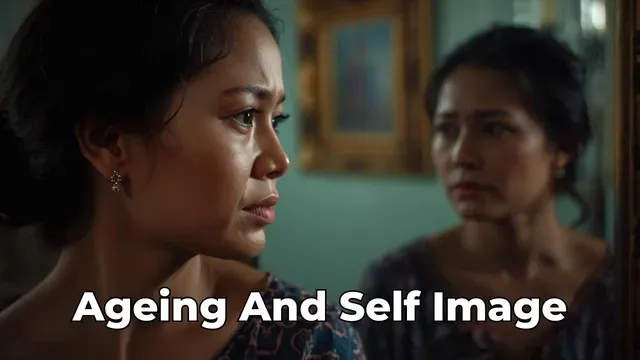
Self-Image and Ageing: Embracing Identity Through Life Changes
Self image and ageing are closely connected, yet this relationship is rarely discussed openly. As life unfolds, self image and ageing become closely connected, and the way we see ourselves naturally evolves. Roles change, the body changes, and priorities often shift in ways that can reshape identity.
For some people, these changes feel unsettling. The image they once held of themselves may no longer match their current experience. Confidence can wobble as familiar roles begin to fade or new phases of life begin to emerge.
Yet ageing does not simply diminish identity. In many cases, it transforms it.
As external expectations soften and life experience deepens, many people begin to see themselves more clearly. The pressure to perform or meet social expectations can gradually give way to a more grounded understanding of who they truly are.
This process is not always smooth. Moments of uncertainty may arise as old identities loosen and new perspectives take their place.
However, these transitions often create space for something valuable: a self image that is less defined by comparison, approval, or achievement, and more rooted in lived experience and inner clarity.
If you would like to understand how self image forms in the first place, Self Image: How Healing Your Inner World Changes How You See Yourself explores the deeper patterns that shape identity and how they can evolve throughout life.
In the sections that follow, we will explore how ageing influences self image, why identity often shifts during midlife, and how many people discover a deeper sense of self as life continues to unfold.

Self Image and Ageing: Why Identity Shifts Over Time
Self image does not remain fixed throughout life. As people grow older, the experiences they accumulate naturally influence how they see themselves.
In earlier stages of life, identity is often shaped by roles and expectations. Education, career choices, relationships, and social belonging all contribute to the internal picture a person forms about who they are.
Over time, these roles begin to change.
Careers may evolve or come to an end. Children grow and become independent. Social circles shift. The body also changes, sometimes in ways that challenge earlier ideas about appearance or ability.
When these transitions occur, the self image that once felt stable can begin to loosen.
For some people this creates uncertainty. If identity has been strongly tied to roles such as professional success, parenthood, or physical vitality, changes in these areas can lead to questions about who they are becoming.
Yet these shifts are not a sign that identity is weakening. In many cases they represent an opportunity for self image to become deeper and more authentic.
Instead of being shaped mainly by external expectations, identity begins to draw more strongly from personal values, life experience, and inner understanding.
If identity feels unsettled during these transitions, When Your Self Image Slips: Meeting Inner Criticism Without Collapse explores how moments of uncertainty can be approached with compassion rather than self-judgement.
How Society Shapes Self Image Around Age
Self image and ageing are not influenced only by personal experience. Society also sends powerful messages about how people are expected to look, behave, and contribute at different stages of life.
From a young age, many cultures place strong value on youth. Beauty standards, career milestones, and social expectations often emphasise early adulthood as the period when success and vitality should be at their peak.
These messages can quietly shape identity.
People may begin to believe that certain opportunities belong only to the young. Appearance changes can feel more significant when society constantly celebrates youthful images. Achievements later in life may even be overlooked because they do not fit common cultural narratives.
Over time, these influences can affect self image.
Someone may begin to feel that they are becoming less visible or less valued as they age. The internal picture of who they are may then be shaped not only by personal experience, but also by these external assumptions.
Yet this cultural perspective tells only part of the story.
Many people discover that later stages of life bring qualities that youth cannot provide. Emotional maturity, perspective, resilience, and deeper self-understanding often grow stronger with experience.
When these qualities are recognised, self image begins to shift again. Instead of measuring identity against youthful ideals, people can begin to see the richness that life experience brings.
If these cultural messages have influenced how you see yourself, Negative Self Image explores how external expectations can shape identity and how a more compassionate self-image can gradually develop.
Midlife Changes and the Re-Evaluation of Self Image
Midlife often becomes a period when many people begin to reconsider how they see themselves.
By this stage, life has usually included a wide range of experiences. Careers may have progressed or shifted. Relationships may have deepened, changed, or ended. Personal priorities often begin to evolve as the pace of earlier years slows slightly.
These changes naturally invite reflection.
Questions that once felt distant may begin to surface:
Is this the life I truly want?
What still matters to me now?
Who am I becoming as this stage of life unfolds?
For some people, this reflection feels unsettling at first. The identity that once felt clear may begin to loosen as old goals or expectations lose their meaning.
Yet this process is not necessarily a crisis.
In many cases, it is the beginning of a deeper realignment. The roles and identities built earlier in life begin to make space for something more authentic — a self image shaped by experience rather than by social expectation alone.
This period of reflection often helps people reconnect with values that may have been overlooked while meeting earlier responsibilities. Creativity, personal growth, and emotional wellbeing can begin to take on greater importance.
For many people, midlife becomes a natural point of identity reflection.
If identity feels uncertain during this transition, Spiritually Lost and Self Image: When You No Longer Know Who You Are explores why periods of questioning often appear during life transitions and how they can lead to deeper self-understanding.
Many people rediscover parts of themselves as life unfolds. Rewriting Your Self-Image explores how identity can gently evolve.
Self Image, Menopause and Body Changes
For many women, menopause becomes one of the most significant transitions affecting self image.
Hormonal changes can influence the body in ways that feel unfamiliar. Energy levels may shift. Sleep patterns can change. Weight distribution, skin texture, and physical comfort may also alter over time.
These experiences are natural biological processes, yet they can still affect how a person sees themselves.
In cultures that place strong emphasis on youthful appearance, these changes may feel especially confronting. The body may no longer reflect the image a person has carried of themselves for many years.
This can lead to moments of uncertainty or self-criticism.
Yet menopause is also widely recognised as a profound life transition rather than simply a biological change. Many women report that this stage brings new clarity about priorities, relationships, and personal boundaries.
As the body changes, identity often begins to evolve as well.
Instead of focusing solely on appearance or external expectations, many people begin to reconnect with qualities that deepen with age — emotional insight, resilience, and a clearer sense of personal truth.
When self image expands to include these qualities, identity often becomes more stable and compassionate.
If body changes have affected how you see yourself, Self Image and Body Image: When Appearance Shapes Identity explores how appearance pressures develop and how identity can gradually become less dependent on them.
Why Many People Rediscover Themselves in Midlife
For many people, midlife becomes a period of rediscovery rather than decline.
Earlier stages of life often involve meeting responsibilities and expectations. Education, career building, family commitments, and social roles can shape identity for many years.
While these experiences can be meaningful, they can also leave little space for reflection.
As life progresses, circumstances often begin to change. Children grow older, careers stabilise or evolve, and the pace of life may shift slightly. These changes create room for people to ask deeper questions about who they are and what matters to them now.
This reflection can lead to a rediscovery of parts of the self that were once set aside.
Interests that once felt impractical may return. Creativity, spirituality, learning, or personal development may begin to feel more important than earlier measures of success.
Rather than losing identity, many people find that they are reconnecting with aspects of themselves that were always present beneath earlier responsibilities.
In this way, midlife can become a period of integration. Life experience brings perspective, helping people recognise what truly aligns with their values.
When this happens, self image often becomes less dependent on external roles and more grounded in personal understanding.
If you are experiencing this kind of transition, Rewriting Your Self Image explores how identity can gradually evolve as life experience reshapes the way you see yourself.
Letting Go of Old Identities That No Longer Fit
As life changes, some parts of identity naturally begin to loosen. Roles that once defined a person may no longer reflect who they are becoming.
This can happen gradually.
A career that once felt central may no longer carry the same meaning. Parenting roles may change as children grow older. Physical abilities, social environments, or personal priorities may shift with time.
When these changes occur, the self image built around those roles may begin to feel outdated.
At first, this can create discomfort. Letting go of familiar identities can feel like losing a part of oneself. The mind may try to hold onto older versions of identity even when life has clearly moved into a new phase.
Yet releasing outdated roles often creates space for something more authentic to emerge.
Instead of defining identity through what once was, people begin exploring who they are now. Values, interests, and inner wisdom gained through experience can gradually form a new foundation for self image.
This process is not about rejecting the past. The roles and experiences that shaped earlier identity remain part of the personal story.
What changes is the way identity continues to grow.
If you are navigating this kind of transition, Rebuilding Self Image Without Forcing Change explores how identity can evolve naturally as life circumstances shift.
Rebuilding Self Image Through Wisdom and Experience
As life unfolds, people accumulate something that youth cannot easily provide: experience.
Moments of joy, difficulty, learning, and reflection gradually shape a deeper understanding of life. Over time, this experience can become one of the strongest foundations for a more stable self image.
Instead of relying on external approval or social comparison, identity begins to draw from what a person has lived through.
Challenges overcome often reveal resilience that was not previously recognised. Relationships teach lessons about boundaries, compassion, and connection. Difficult periods may lead to insights about what truly matters.
These experiences slowly form a quieter kind of confidence.
This confidence does not always appear dramatic or outwardly visible. Instead, it shows up as steadiness. A person becomes less defined by other people’s expectations and more grounded in their own understanding of life.
Self image then begins to reflect this accumulated wisdom.
Rather than asking “Am I good enough?”, the inner dialogue may gradually shift toward something more balanced:
I have lived. I have learned. I continue to grow.
When identity begins to draw from lived experience in this way, self image often becomes more compassionate and resilient.
If you would like to explore how identity can continue evolving throughout life, Sustaining Self-Image Growth: How Lasting Change Really Happens explains how small shifts in awareness and experience can gradually strengthen a healthier sense of self.
Embracing Self Image as Life Evolves
Ageing often invites a quieter, more spacious relationship with identity.
Earlier in life, self image may be shaped strongly by expectations — what we believe we should achieve, how we think we should appear, or how we hope others will see us.
As years pass, many people begin to recognise that identity is far more fluid than these earlier assumptions suggested.
The person you were in your twenties is not the same person you become in midlife or later years. Life experience, relationships, losses, growth, and reflection all contribute to the way identity continues to unfold.
Rather than something fixed, self image becomes an evolving understanding of who you are.
When this perspective begins to settle, the pressure to maintain a particular version of yourself often softens. People may feel freer to express interests that once felt impractical, speak more honestly about their needs, or live in ways that feel more aligned with their values.
In this way, ageing can bring a form of liberation.
Instead of holding tightly to earlier identities, many people discover that self image becomes more authentic when it is allowed to change.
This ongoing evolution is part of being human. Identity continues to grow as life unfolds, shaped not only by time but by the wisdom gained through living it.
If you would like to explore this deeper process, Self Image: How Healing Your Inner World Changes How You See Yourself explains how identity evolves as emotional understanding and self-awareness deepen.
Final Thoughts
Ageing changes many aspects of life, and it is natural that self image evolves alongside those changes.
The roles, expectations, and identities that once felt central may gradually shift. At times this can feel unsettling, especially when the world places strong emphasis on youth, productivity, or appearance.
Yet many people discover that later stages of life bring something deeply valuable: perspective.
Life experience often softens the pressure to prove oneself. The need for constant comparison or approval may begin to fade as personal values become clearer.
Instead of defining identity through external expectations, people often begin to reconnect with qualities that deepen over time — wisdom, resilience, authenticity, and emotional understanding.
In this way, ageing does not diminish self image. It often refines it.
The version of yourself that emerges through lived experience can be more grounded, compassionate, and honest than the identities shaped earlier in life.
When self image is allowed to evolve in this way, identity becomes less about maintaining a particular image and more about embracing who you are becoming.
Next Steps
If ageing or life transitions have been affecting how you see yourself, it can be helpful to explore the deeper patterns that shape identity.
A good place to begin is the cornerstone guide for this cluster:
Self Image: How Healing Your Inner World Changes How You See Yourself
This article explains how self image forms through life experiences, why identity often shifts during different stages of life, and how emotional healing can gradually reshape the way you see yourself.
If you would like structured guidance for this journey, the next step is the full programme:
This course gently explores how identity forms, how emotional experiences shape the way we see ourselves, and how self image can gradually become more stable, compassionate, and authentic.
You do not need to rush this process.
Self image naturally evolves as awareness deepens and life experience is integrated.

FAQs on Self Image and Ageing
Does ageing affect self image?
Yes, ageing often influences self image because life roles, priorities, and physical experiences naturally change over time. As careers evolve, relationships shift, and the body changes, the internal picture a person holds of themselves may begin to adjust as well.
For many people this process brings deeper self-understanding and a more grounded sense of identity.
Why do people struggle with self image during midlife?
Midlife is often a period of reflection. People may begin re-evaluating earlier choices, roles, and goals as life circumstances change.
This can temporarily create uncertainty about identity. However, many people find that this stage eventually leads to a clearer understanding of personal values and a more authentic self image.
How does society influence self image as people age?
Cultural messages often place strong emphasis on youth, appearance, and early achievement. These expectations can influence how people evaluate themselves as they grow older.
When individuals recognise these influences, it becomes easier to develop a self image based on personal experience and values rather than external expectations.
Can self image improve with age?
Yes, many people find that self image becomes stronger with age.
Life experience often brings greater emotional awareness, resilience, and perspective. These qualities can help people feel more comfortable with who they are and less dependent on external approval.
How can someone rebuild self image during life transitions?
Rebuilding self image during periods of change often begins with reflection and self-compassion.
Taking time to reconnect with personal values, life experiences, and meaningful relationships can help identity feel more stable. It can also help to explore how earlier experiences shaped self image in the first place.
For a deeper understanding of this process, Self Image: How Healing Your Inner World Changes How You See Yourself explains how identity forms and how it can evolve throughout different stages of life.
Further Reading
If you would like to explore how identity evolves over time and how life experiences influence the way you see yourself, these articles expand on the ideas discussed here.
Self Image: How Healing Your Inner World Changes How You See Yourself
A deeper guide to how self image forms, why it shifts during life transitions, and how emotional healing can gradually transform the way you see yourself.
How Self Image Is Formed and Why It Feels So Hard to Change
Explores how early experiences, relationships, and social influences shape identity over time.
Rewriting Your Self Image
A gentle explanation of how identity can evolve as life experiences reshape the internal story you hold about yourself.
Self Image in Daily Moments: How Small Choices Rebuild Self Trust
Shows how everyday actions and small decisions can gradually strengthen a steadier and more compassionate self image.
Self Image and Body Image: When Appearance Shapes Identity
Explores how appearance pressures influence identity and how self image can become less dependent on external standards.
External Research and Further Reading On Self Image
To deepen your understanding of self-image, the following evidence-based resources explore the psychology behind how we see ourselves and how a healthier self-image can be developed.
Ways to Build a Healthy Self-Image – Cleveland Clinic
This article from the Cleveland Clinic explains how self-image develops through life experiences and relationships. It explores the difference between positive and negative self-image and provides practical guidance for developing a healthier internal view of yourself.
The Power of Self-Image – Psychology Today
A psychology-based exploration of how self-image influences mental wellbeing, relationships and confidence. The article also highlights how modern influences such as social media can distort self-perception.
What Is Self-Image in Psychology? – Positive Psychology
A comprehensive overview of the psychological theory of self-image, including how it relates to self-concept and self-esteem. The article also outlines practical exercises and strategies for improving a negative self-image.
Explore The Self-Image Healing Series
Healing self-image is rarely about one single realisation.
It unfolds gradually as you begin to understand where your self-perception came from and how it can change.
The articles below explore different parts of this journey. Some focus on the roots of self-image, while others explore how it appears in everyday life, relationships, work, and spiritual growth.
You may wish to begin with the main guide and then explore the topics that feel most relevant to you.
Self-Image Foundations
Self Image: How Healing Your Inner World Changes How You See Yourself
Healing And Rebuilding Self-Image
Shame and Self Image in Emotional Healing
Self-Image In Everyday Life
People Pleasing and Self Image
Spiritual And Energetic Self-Image
Self-Image and Spiritual Practice
Spiritual Disconnection and Self Image
Spiritually Lost and Self Image
Energy and Self Image (Solar Plexus)
Sustaining Self-Image Growth
If you are new to this topic, the best place to begin is the main guide:
Self Image: How Healing Your Inner World Changes How You See Yourself
I look forward to connecting with you in my next post.
Until then, be well and keep shining.
Peter. :)

Cornerstone Articles


Do You Need A Clearer Next Step? 🢂
You do not need to know exactly what kind of support you need before exploring what is available. If your experience feels more connected with spiritual disconnection, sensitivity, intuition, awakening or a deeper desire to reconnect with yourself, you can begin by learning about the Soul Reconnection Call.
If you are looking for support with emotional patterns, shadow work, self-image or personal change — or would prefer to begin with a structured course — you can explore the available coaching and course pathways.
Free Tools
Shadow Work
Emotional Healing
Spiritually Lost
Explore
Free Tools


Copyright Peter Paul Parker 2023 <<< ✺✺✺✺✺✺✺✺✺✺✺✺✺✺✺✺✺✺✺✺✺ >>> Terms And Conditions - >>> Privacy - Linked In - YouTube - Facebook -