Peter Paul Parker's Official Website
Articles And Guidance
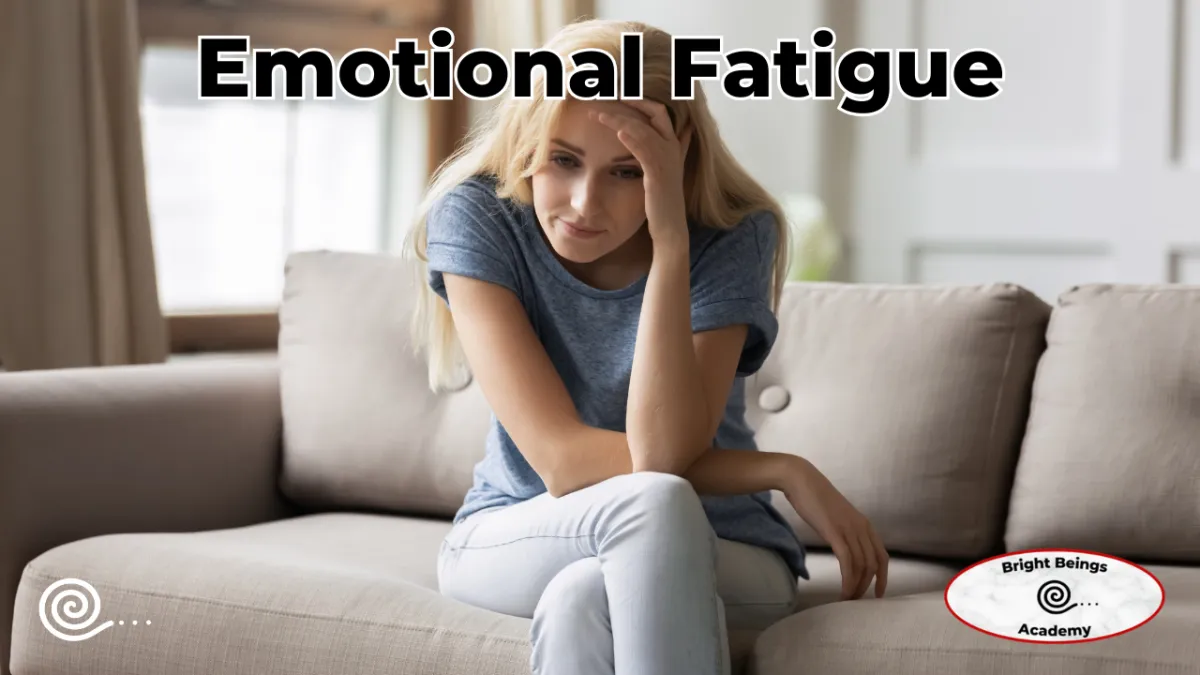
Emotional Fatigue
Emotional fatigue represents a deep-seated level of exhaustion that permeates the mental, emotional, and physical realms of an individual's being. It arises as a consequence of enduring exposure to stressful situations or traumatic experiences over an extended period.
This condition is especially prevalent among those who find themselves in caregiving roles, healthcare workers who are consistently immersed in high-pressure medical settings, and persons who are grappling with ongoing personal adversities.
The impact of emotional fatigue on a person's life is considerable, as it can dramatically diminish their overall wellness and alter the quality of life they experience.
"Emotional fatigue, a profound exhaustion affecting mental, emotional, and physical well-being, often arises from prolonged stress or trauma, particularly in caregiving roles or challenging personal situations, significantly impacting overall wellness and quality of life."
Emotional Fatigue Is Not Emotional Burnout
Emotional fatigue should not be mistaken for burnout, although they share some similarities. The distinction between these two states lies primarily in the context of their occurrence. Emotional fatigue, which is also known as compassion fatigue in certain circles, is more closely associated with the emotional burden one endures when they are engaged in the welfare of others.
It frequently afflicts those employed in environments where stress levels are perpetually high, or where they are repeatedly exposed to trauma. The perpetual cycle of stress that these individuals face can substantially erode their emotional resilience and leave them feeling profoundly drained on multiple levels.
"Emotional fatigue, often linked to compassion fatigue, differs from burnout in that it results from the emotional strain of caring for others, particularly in high-stress or trauma-exposed environments, eroding emotional resilience and leaving individuals feeling deeply drained."
Symptoms of Emotional Fatigue
Recognising signs of emotional fatigue is crucial for recovery. This includes feeling overly sensitive, irritable, or down, as well as experiencing hopelessness and detachment. Behavioural shifts like withdrawing socially, reduced productivity, and changes in appetite or sleep may occur.
Physically, symptoms like unrelenting fatigue, headaches, and increased susceptibility to infections signal the body's struggle under stress. It's vital to acknowledge these symptoms as prompters to seek help and start the path to emotional well-being, leading to a more balanced and satisfying life.
Emotional Symptoms
Mood Swings: Experiencing sudden and often drastic changes in emotions.
Detachment: Feeling emotionally disconnected or numb toward others.
Anxiety or Depression: Increased feelings of worry, fear, sadness, or hopelessness.
Behavioural Symptoms
Social Withdrawal: Avoiding social interactions and isolating oneself.
Addictive Behaviours: Increased reliance on substances, gambling, or excessive work as coping mechanisms.
Reduced Productivity: Difficulty concentrating and completing tasks.
Physical Symptoms
Fatigue: Persistent tiredness that doesn’t improve with rest.
Insomnia: Difficulty falling or staying asleep due to intrusive thoughts or worries.
Digestive Issues: Unexplained stomach upset or changes in appetite.
Causes of Emotional Fatigue
Emotional fatigue stem from factors like chronic stress, long work hours, lack of rest, and strained personal relationships. Identifying these specific causes is essential for effective management.
Recognising early signs and tailoring preventive strategies to one's unique needs can help mitigate this exhaustion. By understanding and addressing the unique factors leading to burnout, individuals can create a proactive plan to diminish symptoms and prevent future emotional fatigue.
Common Causes
Workplace Stress: Long hours, lack of support, or emotionally demanding roles.
Relationship Challenges: Ongoing conflicts or loss of a loved one.
Parenting or Caregiving: The constant demands of caring for children or dependents.
Exposure to Trauma: Regular exposure to traumatic events or stories, either personally or professionally.
Even indirect experiences, such as consuming distressing news or social media content, can trigger emotional fatigue.
"Emotional fatigue can arise from chronic stress, long work hours, strained relationships, and exposure to trauma, and by recognising early signs and addressing specific causes, individuals can create proactive strategies to manage and prevent it."
Treating and Preventing Emotional Fatigue
Emotional fatigue can be daunting, yet it's conquerable with the right strategies. Making small lifestyle tweaks—like incorporating exercise, a healthy diet, and adequate sleep—can significantly bolster emotional health.
Additionally, adopting stress reduction techniques such as mindfulness, meditation, or deep-breathing can help in soothing the mind and enhancing stress resilience. Seeking professional help when needed is also key.
Coaches, therapists and counsellors can offer personalised support and effective strategies for coping with emotional weariness. While emotional fatigue is challenging, a combination of lifestyle changes, stress management practices, and professional guidance can provide a pathway to managing it effectively and regaining balance.
1. Stress Management
Identify Stressors: Pinpoint the areas of your life causing the most strain.
Set Boundaries: Learn to say “no” and establish limits on your time and energy.
2. Prioritise Self-Care
Sleep Well: Aim for 7–9 hours of quality sleep each night.
Nourish Your Body: Maintain a balanced diet and stay hydrated.
Move Regularly: Engage in physical activity that you enjoy, whether it’s yoga, walking, or dancing.
3. Relaxation Techniques
Box Breathing: Inhale for a count of four, hold for four, exhale for four, and pause for four. Repeat.
Mindfulness Practices: Use meditation or guided imagery to calm the mind.
Journaling: Reflect on your thoughts and emotions to gain clarity and release pent-up stress.
4. Engage in Enjoyable Activities
Take time to participate in hobbies that bring you joy and allow you to recharge.
5. Seek Support
Social Support: Lean on trusted friends and family members.
Professional Help: Consult with a coach to address underlying issues and develop coping mechanisms.
Moving Forward With Emotional Fatigue
Emotional fatigue can have many causes. Prolonged stress, caregiving, difficult relationships, work pressures and carrying too much emotional responsibility can all gradually drain your available energy.
Before looking for a deeper explanation, consider what is happening practically. You may need more rest, clearer boundaries, fewer demands, greater support or changes to a situation that has simply become too much to carry.
Alongside those practical changes, it can also be helpful to notice whether certain emotional patterns are making the load heavier.
Perhaps you regularly put other people's needs ahead of your own. You may struggle to say no, feel responsible for keeping everyone happy, avoid conflict or continue giving long after you need rest.
Explore the Patterns With the Dream Method
If you would like a gentle framework for understanding those patterns, begin with the free Dream Method Pathway.
The pathway takes you through:
DISCOVER → REALISE → EMBRACE → ACTUALISE → MASTER
It gives you a structured way to notice what is happening, understand recurring patterns and begin making more sustainable choices at your own pace.
Could Earlier Emotional Experiences Be Part of the Pattern?
For some people, long-standing patterns around approval, people-pleasing, conflict or taking responsibility for other people's emotions may have connections with earlier experiences.
If you are beginning to wonder whether childhood emotional experiences may be contributing to some of the patterns behind your emotional fatigue, you can watch my free Emotional Childhood Wounds Webinar.
The webinar explores how earlier emotional experiences may continue to influence thoughts, emotional reactions, relationships and protective patterns in adult life, while introducing the Dream Method as a compassionate framework for understanding what you discover.
If your exhaustion is persistent, worsening or significantly affecting your sleep, mood, relationships, work or ability to manage everyday life, please speak with an appropriate healthcare or mental-health professional. Emotional fatigue can overlap with physical and mental-health concerns, so professional assessment may be more appropriate than further self-guided work.

Frequently Asked Questions On Emotional Fatigue
1. How is emotional fatigue different from burnout?
While both involve exhaustion, emotional fatigue is closely tied to the stress of helping others and may involve secondary exposure to trauma. Burnout, on the other hand, is often linked to general workplace stress.
2. Can emotional fatigue affect physical health?
Yes, prolonged emotional fatigue can lead to physical symptoms such as headaches, gastrointestinal issues, and a weakened immune system.
3. Who is most at risk of emotional fatigue?
Caregivers, healthcare workers, social workers, and individuals in emotionally demanding roles are particularly vulnerable, though it can affect anyone under persistent stress.
4. Can emotional fatigue be cured?
While not a medical condition, emotional fatigue can be effectively managed and even prevented with self-care, stress management, and support.
5. How long does it take to recover from emotional fatigue?
Recovery times vary depending on the individual and the severity of their symptoms, but implementing consistent self-care practices can lead to gradual improvement.
I look forward to connecting with you very soon.
Until then, be well and keep shining.
Peter. :)
Highly Sensitive People And Emotional Fatigue
Highly sensitive people can feel the effects of emotional fatigue much more deeply because of the nature of their biology. Here is some further reading to see if you are a highly sensitive human being.
Further Reading On HSP's
Highly Sensitive People Have A Rich Inner World
HSP's Have A Hard Time Moving On
HSP's Find It Difficult To Change
HSP's Don't Do well Under Pressure
HSP's React Badly To Criticism

Cornerstone Articles




Do You Need A Clearer Next Step? 🢂
You do not need to know exactly what kind of support you need before exploring what is available. If your experience feels more connected with spiritual disconnection, sensitivity, intuition, awakening or a deeper desire to reconnect with yourself, you can begin by learning about the Soul Reconnection Call.
If you are looking for support with emotional patterns, shadow work, self-image or personal change — or would prefer to begin with a structured course — you can explore the available coaching and course pathways.
Free Tools
Shadow Work
Emotional Healing
Spiritually Lost
Explore
Free Tools


Copyright Peter Paul Parker 2023 <<< ✺✺✺✺✺✺✺✺✺✺✺✺✺✺✺✺✺✺✺✺✺ >>> Terms And Conditions - >>> Privacy - Linked In - YouTube - Facebook -