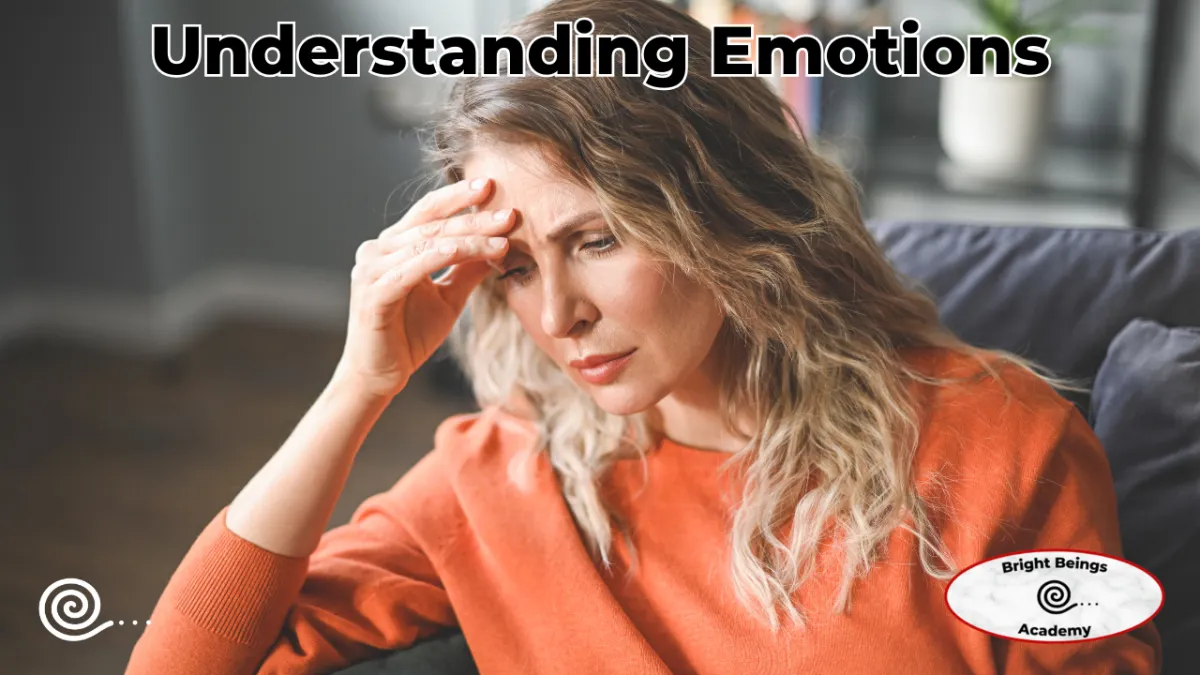
Understanding Emotions
Emotions are a complex interplay of physiological responses, subjective impressions, and personal expressions. They influence how we perceive the world, interact with others, and make decisions. While traditionally it was believed that there are six basic emotions universally experienced across cultures—happiness, sadness, anger, fear, disgust, and surprise—recent research suggests there may be as many as 27 categories of emotions.
How Emotions Work
Emotions represent far more than mere simple, one-dimensional sensations that we feel within our physical forms. They embody intricate psychological constructs that are shaped and influenced by a multitude of factors, including our past experiences, the information we perceive through our senses, and the cognitive processes that occur in our minds.
Rather than originating purely from bodily reactions, our emotional states are the result of elaborate mental pathways. They are informed by the cumulative effects of life occurrences, the subtle and overt stimuli we receive from the environment, and the myriad of thoughts that course through our consciousness.
Indeed, the realm of human emotions is nuanced, with each feeling we encounter being a sophisticated tapestry woven from the intangible threads of our psyche. These affective responses are underpinned by a deep interplay between the sensorial and the cognitive, reflecting the profound complexity of the intricate human experience.
The Science Behind Emotions
The brain's limbic system is a network of interconnected structures crucial for emotion and behavioural responses. Key components include:
Hypothalamus
Hippocampus
Amygdala
Limbic cortex
The amygdala plays a key role in evaluating and integrating sensory information, assigning emotional values such as valence, intensity, and approachability.
Emotional states result from a combination of bodily sensations and cognitive interpretations.
An individual's emotional experience depends on factors like personal history, cultural background, and situational context. For example, shaking hands might signify anxiety in one situation but excitement in another.
Why Emotions Are Important
Emotions are essential for survival and help us navigate the complexities of life. They:
Enable quick responses to life-or-death situations.
Act as messengers, alerting us to significant internal or external events.
Shape thoughts, perceptions, and behaviours.
Provide insight into values and priorities.
Influence actions and decision-making.
Help us connect with others and build meaningful relationships.
The Role of Negative Emotions
In today's fast-paced world, positive emotions are frequently celebrated and placed on a pedestal, reinforcing the idea that happiness, joy, and contentment should be our default emotional states.
However, it's crucial to recognise that negative emotions are just as meaningful as their positive counterparts. These less-than-pleasant feelings play an important role in the human emotional spectrum and are key to achieving a balanced psychological landscape.
Rather than trying to push them aside or bury them deep within, it's imperative to approach negative emotions with a sense of understanding and acceptance. When we acknowledge that feelings like sadness, anger, and fear aren't just nuisances but are intrinsic elements of our emotional fabric, we can start to perceive them in a different light.
Understanding Negative Emotions Is Important
Negative emotions are often indicators that something within us or within our environment needs attention. They can serve as signals calling for a change, pushing us to adapt, to reevaluate our circumstances, or to set new boundaries.
Thus, learning to listen to these often-overlooked messengers can be a pathway to personal growth and improved emotional intelligence. By embracing the full range of our emotions, and not just the ones that feel good, we can pave the way toward a more profound emotional well-being.
This encompasses recognising that each emotion has its place and time. Allowing ourselves to feel and express our emotions freely – without judgment or immediate dismissal – can lead to healthier coping mechanisms, better stress management, and ultimately, a more fulfilling and authentic life experience.
Negative emotions provide feedback and opportunities for learning and growth.
Suppressing or eliminating negative emotions can increase anxiety and distress over time.
Understanding Our Emotions
Developing a deep sense of emotional awareness is fundamental to understanding and identifying our own feelings, which is vital for effective emotion management. Emotional awareness is the bedrock upon which we can build a strong foundation for emotional intelligence.
By becoming more attuned to our internal emotional landscape, we unlock the ability to navigate complex emotional experiences with greater ease. To increase emotional awareness, one needs to invest time and effort into introspective practices.
This involves a variety of strategies that contribute to a heightened sense of awareness. First, the practice of mindfulness meditation is a powerful way to become more aware of our feelings. By sitting quietly and observing our thoughts and sensations without judgment, we can learn to identify our emotions as they arise.
Get A Deeper Understanding By Tuning In To Your Body
Tuning into our bodies through mindfulness can also reveal physical cues that signal our emotional state. Additionally, keeping a journal can serve as an effective method for enhancing emotional awareness.
By regularly recording our thoughts and feelings, we get an opportunity to reflect on our emotions and understand the patterns behind them. Journaling helps us to slow down and process our experiences, giving us clearer insights into how we feel. Another useful approach is engaging in open and honest conversations with trusted individuals. Sometimes, speaking about our feelings helps to clarify them, offering a different perspective and increasing our understanding of our emotional selves.
Also, actively seeking feedback about our emotional expressions from others can offer valuable insights and help us become more conscious of our emotional responses. To augment these strategies, it is also important to learn to recognize and name our emotions accurately.
Develop Your Emotional Vocalbulary
Developing a rich emotional vocabulary allows us to pinpoint our feelings with precision, making it easier to address them constructively. As we become more familiar with the nuances of our emotional experiences, we can better manage our reactions and responses.
In conclusion, enhancing emotional awareness takes commitment and conscious effort. By incorporating mindfulness, journaling, honest communication, and expanding our emotional vocabulary, we can greatly improve our ability to recognize, understand, and ultimately manage our emotions with greater efficiency and effectiveness. This journey of self-discovery not only benefits our mental and emotional health but also enriches our relationships and our overall quality of life.
Building Emotional Awareness
Expand your emotional vocabulary: Many people use limited words to describe their feelings. Learning more nuanced emotional terms can improve understanding of your emotional landscape.
Mindful observation: Regular self-check-ins can increase emotional awareness. Set reminders or reflect during natural pauses in your day.
Journaling: Writing about emotions helps process and understand them better, while revealing patterns and triggers.
Seek feedback from others: Trusted friends or family members can offer valuable insights into your emotional behaviour.
Use an emotions chart: Tools like emotion wheels can assist in identifying and labelling feelings.
Managing Emotions
While we cannot control emotions directly, we can learn to manage them effectively by developing self-regulation skills.
Strategies for Managing Emotions
Mindfulness practices: Techniques like meditation, Qi Gong, deep breathing, and grounding exercises can help you observe your emotions without judgment.
Cognitive reframing: Challenge negative thoughts and replace them with balanced or positive perspectives.
Healthy coping mechanisms: Engage in activities that promote emotional balance, such as exercise, spending time in nature, or pursuing hobbies.
Remember, everyone experiences emotions differently. What works for one person may not work for another.
The Work of Dr. Gabor Maté: Understanding Trauma and Emotions
Dr. Gabor Maté, a renowned physician and trauma expert, highlights how unresolved emotional trauma can manifest as physical illnesses, mental health issues, and addictive behaviours. According to Dr. Maté, emotions are central to understanding trauma, as they reveal deep-seated wounds often masked by outward behaviours.
His work emphasises compassionate self-awareness and understanding emotional pain as vital steps towards healing. Dr. Maté’s approach has inspired many to view emotions not as weaknesses but as integral parts of the healing journey.
Managing Emotions Is More Than Possible
Understanding and managing emotions is a vital part of personal growth and well-being. By developing emotional awareness and embracing both positive and negative emotions, we can navigate life with greater resilience and clarity. If you’re struggling with your emotions, remember that seeking professional support is a strength, not a weakness.
Personally, I have been through a traumatic childhood, and then spent years in the mind body spiritu world to heal my trauma and take back control of my emotions. I realise that our emotions are our guides, and when you realise that, you can go deeper into your emotions. Positive emotions still uplift me, and negative emotions still make me feel like I am suffering, but I see it all differently now.
Understanding Your Emotions With The Dream Method
Learning to recognise and name what you are feeling can be an important first step. The next stage is often becoming curious about the patterns around those emotions.
You may begin noticing particular situations that trigger strong reactions, emotions you tend to suppress, or familiar ways of protecting yourself when you feel uncomfortable.
The free Dream Method Pathway gives you a practical framework for exploring these patterns through five stages:
DISCOVER → REALISE → EMBRACE → ACTUALISE → MASTER
It can help you move from simply noticing an emotion towards understanding your response to it and gradually making more conscious choices.
Could Earlier Emotional Experiences Be Part Of What You Are Feeling?
Sometimes, as you begin understanding your emotional patterns, you may notice connections with experiences from earlier in life.
Not every difficult emotion or strong reaction has its roots in childhood. However, earlier emotional experiences can sometimes influence the beliefs, protective responses and relationship patterns that continue into adult life.
If this feels particularly relevant to what you are discovering, my free Emotional Childhood Wounds Webinar can help you explore that connection more deeply.
The webinar looks at how earlier experiences may continue to influence thoughts, emotional reactions, relationships and patterns today, while introducing the Dream Method as a compassionate framework for understanding what you discover.
Watch The Free Emotional Childhood Wounds Webinar
If you feel that personal guidance would be helpful as you explore your emotional patterns, you can first tell me a little about where you are now and what you would like support with.
Complete The Questionnaire And Book A Call
Learning to recognise and name what you are feeling can be an important first step. The next stage is often becoming curious about the patterns around those emotions.
You may begin noticing particular situations that trigger strong reactions, emotions you tend to suppress, or familiar ways of protecting yourself when you feel uncomfortable.
The free Dream Method Pathway gives you a practical framework for exploring these patterns through five stages:
DISCOVER → REALISE → EMBRACE → ACTUALISE → MASTER
It can help you move from simply noticing an emotion towards understanding your response to it and gradually making more conscious choices.
Could Earlier Emotional Experiences Be Part Of What You Are Feeling?
Sometimes, as you begin understanding your emotional patterns, you may notice connections with experiences from earlier in life.
Not every difficult emotion or strong reaction has its roots in childhood. However, earlier emotional experiences can sometimes influence the beliefs, protective responses and relationship patterns that continue into adult life.
If this feels particularly relevant to what you are discovering, my free Emotional Childhood Wounds Webinar can help you explore that connection more deeply.
The webinar looks at how earlier experiences may continue to influence thoughts, emotional reactions, relationships and patterns today, while introducing the Dream Method as a compassionate framework for understanding what you discover.
Watch The Free Emotional Childhood Wounds Webinar
If you feel that personal guidance would be helpful as you explore your emotional patterns, you can first tell me a little about where you are now and what you would like support with.
Complete The Questionnaire And Book A Call

Understanding Emotions Frequently Asked Questions
1. Why do some emotions feel overwhelming?
Some emotions feel overwhelming because they activate the brain's limbic system, especially the amygdala, which processes emotional intensity. Overwhelming emotions often signal unmet needs or unresolved experiences.
2. Can emotions affect physical health?
Yes, emotions significantly impact physical health. Chronic stress or unresolved negative emotions can lead to physical symptoms like fatigue, tension, or even illnesses such as heart disease.
3. How can I improve my emotional awareness?
Improving emotional awareness involves practices like journaling, mindfulness, and using tools like emotion charts. Seeking feedback from trusted individuals can also provide valuable insights.
4. Is it normal to feel conflicting emotions?
Yes, it is entirely normal to experience conflicting emotions. Human emotions are complex and can coexist, such as feeling happy and nervous simultaneously.
5. When should I seek professional help for emotional difficulties?
If your emotions consistently interfere with daily life, relationships, or work, or if you feel unable to cope, it’s important to seek guidance from a mental health professional or coach.
I look forward to connecting with you very soon.
Until then, be well and keep shining.
Peter. :)