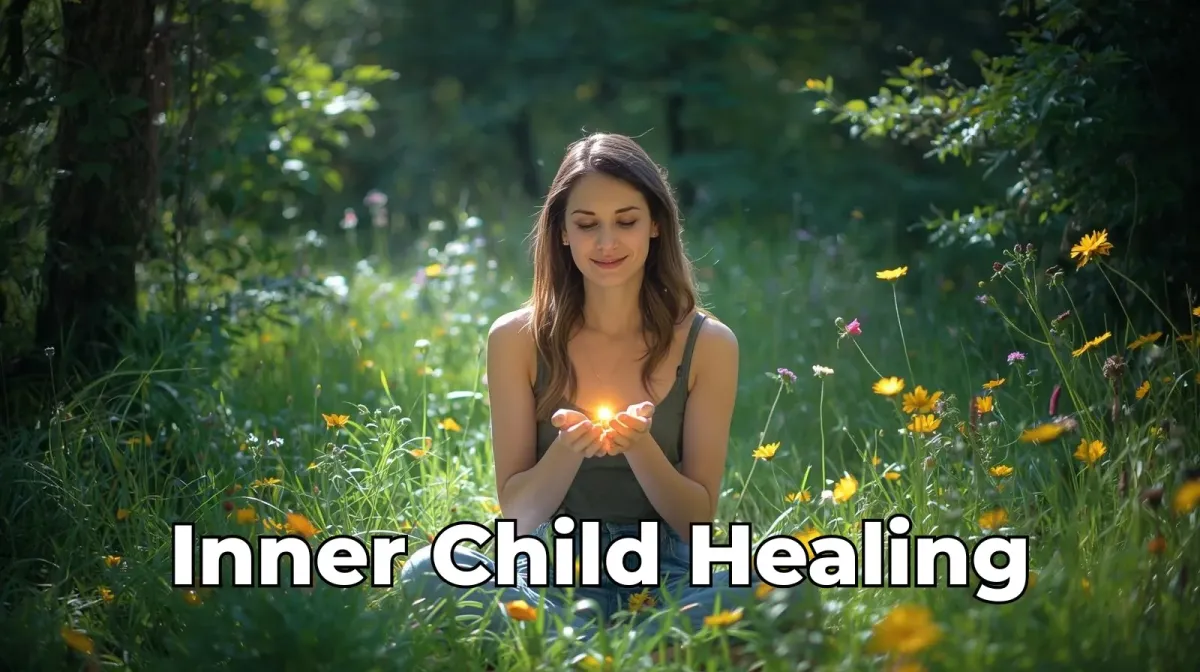
Inner Child Healing and Self Image: Rebuilding the Self You Never Got to Be
Inner child healing and self image are deeply connected.
The way you see yourself today was often shaped long before you had the language to understand what was happening.
In childhood, the nervous system quietly learns whether it is safe to exist, to feel, and to express needs. When those needs are dismissed, criticised, or ignored, parts of the self begin to withdraw.
Over time, identity becomes organised around adaptation rather than authenticity.
You may become the helpful one.
The quiet one.
The strong one who does not need too much.
Yet beneath these roles often lives a younger part of you who never felt fully seen or safe to be real.
Inner child healing is not about endlessly revisiting the past. It is about gently restoring connection to the parts of you that had to disappear in order to belong.
As those younger parts are welcomed back into awareness, self image begins to change. You are no longer defined by survival strategies. You begin rebuilding a relationship with the self that was always there underneath.
If you would like a deeper understanding of how emotional wounds, trauma, and identity are connected, you may find it helpful to read Self Image: How Healing Your Inner World Changes How You See Yourself

How the Inner Child Shapes Your Self Image
Many people think their self image is created by conscious beliefs.
In reality, much of it forms much earlier.
During childhood, the nervous system learns how safe it is to be visible, emotional, or expressive. These early experiences quietly shape the way a child sees themselves.
If love feels conditional, the child may conclude:
“I must behave to be accepted.”
“I must not upset people.”
“My feelings are too much.”
If these messages were shaped particularly through your relationship with your mother or maternal caregiver, the mother wound explores how emotional absence, criticism, conditional acceptance or unmet needs may continue to influence self-worth and relationships in adult life.
These conclusions rarely remain in childhood. They become the invisible framework of adult identity.
Without realising it, a person may build their life around protecting the younger self that once felt unsafe.
They may minimise their needs.
Hide their emotions.
Avoid conflict or attention.
Over time, these protective strategies begin to look like personality.
But very often they are simply the inner child trying to stay safe.
This is why inner child healing and self image cannot really be separated. When the younger parts of the psyche are ignored, the adult self-image remains built around survival.
As those younger parts are acknowledged with compassion, identity begins to soften and expand.
If you would like to explore how early emotional wounds influence identity in adulthood, you may find it helpful to read Trauma and Self Image: Why You Feel Broken (and Why You’re Not).
This article explains how childhood experiences shape identity and why healing those experiences allows self image to gradually change.
How Childhood Experiences Shape Your Self Image
Your sense of self does not begin in adulthood.
It begins much earlier, often before you are able to understand or explain what you are experiencing.
During childhood, the nervous system quietly learns important lessons about safety, belonging, and acceptance. When emotional needs are met with warmth and consistency, a child often develops a stable sense of self.
When those needs are misunderstood, dismissed, or criticised, a different message can take root.
The child may begin to believe:
“I am too sensitive.”
“I should not cause problems.”
“I must earn love by being good.”
These conclusions rarely remain limited to childhood.
They often become the foundation of adult self image.
Without realising it, many people continue to live according to emotional rules that were created when they were very young.
This is why inner child healing plays such an important role in rebuilding self image. When earlier experiences are acknowledged with compassion and understanding, the nervous system begins to update the story it carries about who you are.
If you would like to explore this connection more deeply, childhood emotional wounds looks at how earlier emotional experiences may continue to influence self-worth, relationships, emotional reactions and protective patterns in adult life.
Why the Inner Child Often Remains Hidden in Adult Self Image
The inner child rarely disappears. It simply becomes hidden.
When a child learns that certain emotions or needs are unwelcome, those parts of the self are pushed out of awareness.
Anger may be suppressed.
Sadness may be hidden.
Needs may be minimised.
The child adapts in order to stay connected to the people around them.
Over time these adaptations become automatic. The adult may appear calm, capable, and independent, while deeper emotional needs remain quietly unmet.
This is one reason self image can feel confusing or unstable.
Part of the psyche still carries the younger emotional experience, while another part works hard to appear strong or unaffected.
Inner child healing gently brings these hidden parts back into awareness.
Not to blame the past.
Not to relive every painful moment.
But to allow the younger self to finally be recognised, understood, and supported.
As this happens, self image begins to reorganise around truth rather than protection.
You are no longer defined by the roles that once helped you survive.
If you would like to explore how rejected parts of the self continue to influence identity, you may find it helpful to read Shadow Work and Self Image: Why the Parts You Reject Shape How You See Yourself.
This article explains how hidden aspects of the psyche influence self image and how compassionate awareness allows these parts to be integrated.

How Inner Child Healing Begins to Change Your Self Image
Inner child healing does not transform self image through force.
It changes slowly as the nervous system begins to experience something new.
Safety.
Many people spend years trying to improve their self image by analysing thoughts or correcting behaviour. While insight can be helpful, identity rarely shifts through thinking alone.
Self image changes when the younger parts of the psyche begin to feel recognised rather than ignored.
This may happen through simple moments of awareness:
Noticing when a reaction feels younger than the current situation.
Recognising when shame or fear belongs to an earlier experience.
Responding with patience instead of criticism.
Each time the inner child is met with understanding, the nervous system receives a different message:
“I am allowed to exist.”
“My feelings are not a problem.”
“I do not have to hide to be safe.”
Over time these repeated experiences begin to reshape identity.
The self image that once formed around protection gradually softens. In its place, a more stable sense of self begins to emerge.
If you would like to understand how emotional healing supports this process, you may find it helpful to read The Link Between Shame, Self-Image, and Emotional Healing.
This article explores how shame shapes identity and how compassionate emotional healing allows self image to change.
If you are beginning to recognise how earlier experiences shaped the way you see yourself today, my free Self-Image Webinar explores this process in more depth. It will help you understand how the internal picture you carry about yourself develops, why old beliefs can feel so persistent, and how that picture can gradually begin to change.
Signs Your Inner Child Is Still Influencing Your Self Image
The inner child does not usually appear as a clear memory from the past.
Instead, it often shows up through emotional reactions that feel stronger than the present situation requires.
A small criticism may feel overwhelming.
A moment of rejection may trigger deep self-doubt.
A conflict may create an urge to withdraw or please others.
These reactions are rarely about weakness or lack of confidence.
They are often the nervous system protecting the younger self that once felt unsafe.
When early experiences taught a child that approval, safety, or belonging were uncertain, the adult identity may still organise itself around those lessons.
This is why self image can feel fragile in certain situations.
You may feel steady and capable in many areas of life, yet suddenly feel small, ashamed, or uncertain when something touches an older emotional wound.
Recognising these moments is an important step in inner child healing.
Rather than criticising the reaction, you begin to understand what it represents.
A younger part of the self asking to be seen.
As awareness grows, the adult self can respond with patience and protection rather than judgement.
If you would like to explore how people-pleasing patterns often grow from these early experiences, you may find it helpful to read People-Pleasing, Boundaries, and Self Image: Who Are You Without Approval?.
This article explains how approval-seeking patterns develop and how clearer boundaries help rebuild a healthier self image.
Why Inner Child Healing Rebuilds Self Image From Within
Many approaches to self-improvement focus on changing behaviour.
Speak differently.
Act with confidence.
Replace negative thoughts with positive ones.
While these strategies can be helpful in certain situations, they often struggle to change self image at a deeper level.
This is because the beliefs people hold about themselves are rarely created through logic alone.
They are shaped through emotional experience.
If a child repeatedly felt criticised, ignored, or unsafe, the nervous system may have quietly learned:
“I am not enough.”
“I must be careful.”
“I should not take up too much space.”
These messages become embedded beneath conscious thought.
Inner child healing works differently.
Instead of arguing with these beliefs, it begins by meeting the younger emotional experience with compassion and understanding.
The adult self gradually becomes the presence that the child once needed.
Safety replaces fear.
Understanding replaces shame.
Permission replaces suppression.
As this happens, identity begins to reorganise.
Self image shifts not because it was forced to change, but because the emotional foundation beneath it has changed.
If you would like to explore this gentle approach further, you may find it helpful to read Rebuilding Self-Image Without Forcing Change.
This article explains why self image changes most naturally when emotional safety is restored.
Simple Practices for Inner Child Healing and a Healthier Self Image
Inner child healing does not require dramatic breakthroughs. In many cases, it begins through small moments of awareness and care.
The aim is not to analyse the past endlessly, but to create new experiences of safety and understanding in the present.
A few gentle practices can begin supporting this process.
Noticing emotional reactions
When a situation triggers a strong emotional response, pause for a moment and ask:
“What part of me is reacting right now?”
Often the feeling carries the tone of a younger experience.
Recognising this allows the adult self to respond with patience rather than criticism.
Speaking to yourself with kindness
Many people carry an internal voice shaped by past criticism.
Inner child healing invites a different response.
Instead of repeating harsh judgments, the adult self learns to offer reassurance and understanding.
Over time this begins to reshape self image.
Creating moments of emotional safety
Simple grounding practices such as breathing, gentle movement, or quiet reflection can help the nervous system feel more settled.
When the body experiences safety, the younger parts of the psyche begin to relax.
Identity gradually shifts from protection toward presence.
If you would like to explore grounding practices that support this process, you may find it helpful to read Embodying a Kinder Self-Image: Simple Grounding Practices That Stick.
This article explains how simple embodied practices help stabilise self image and support emotional healing.
Rebuilding Your Self Image Through Inner Child Healing
Inner child healing is not about becoming someone new.
It is about reconnecting with parts of yourself that were never fully allowed to exist.
Many children learn very early which emotions, needs, or qualities are acceptable. Other parts of the self may be pushed aside in order to stay safe, loved, or included.
Over time this creates a self image built around adaptation.
You may appear capable, responsible, or calm on the outside, yet still feel as though something essential about you never had space to grow.
Inner child healing gently begins to restore that space.
The adult self learns to recognise the younger parts that once felt unseen, unheard, or unsupported. Instead of rejecting those experiences, they are welcomed with understanding and patience.
As this happens, identity slowly begins to expand.
Qualities that once felt unsafe may begin to return.
Honesty.
Creativity.
Sensitivity.
Personal boundaries.
The self image that once formed around survival gradually gives way to something more stable and authentic.
You are no longer trying to become acceptable.
You are allowing the fuller self to emerge.
If you would like to explore how identity continues to evolve as healing deepens, you may find it helpful to read Sustaining Self-Image Growth: How Lasting Change Really Happens.
This article explores how self image stabilises as emotional healing and self-understanding continue to develop.
Final Thoughts
Healing the inner child is not about revisiting every moment of the past.
It is about recognising how earlier experiences quietly shaped the way you see yourself.
When parts of you once felt rejected, criticised, or unsafe, the mind learned to build a self image around protection. You adapted in ways that helped you belong, even if those adaptations meant hiding certain aspects of yourself.
Inner child healing gently loosens these patterns.
Instead of judging the younger parts of your experience, you begin to understand them. The adult self becomes a steady presence that offers the patience, safety, and acceptance that may have been missing earlier in life.
As this happens, self image begins to soften and expand.
You are no longer defined only by the roles you had to play or the strategies that once helped you cope. The qualities that were pushed aside can slowly return, allowing a more honest and stable sense of self to emerge.
Inner child healing does not rush this process.
It unfolds through repeated moments of awareness, compassion, and safety.
Over time, the self you thought had been lost often turns out to have been waiting patiently underneath the adaptations you learned to survive.
When those parts are welcomed back, self image begins to reflect who you truly are rather than who you once had to be.
Next Steps
Inner-child work can help you understand where some of the beliefs you carry about yourself began.
But recognising where they came from is only part of the journey. The next question is often how those experiences have shaped the person you believe yourself to be today.
If that feels relevant, continue with my free Self-Image Webinar.
In the webinar, I explore how self-image forms, how old beliefs and emotional experiences can continue to influence identity, and how you can begin developing a different relationship with yourself.
If you feel ready for a more structured self-image pathway after that, you can then explore the Heal Your Self Image programme.

Frequently Asked Questions About Inner Child Healing and Self Image
What is inner child healing and how does it affect self image?
Inner child healing involves reconnecting with the emotional experiences and unmet needs from earlier in life. These early experiences often shape how a person sees themselves.
When a child learns that certain feelings or needs are unacceptable, they may begin to form a self image based on adaptation rather than authenticity. Healing the inner child helps bring compassion and understanding to those earlier experiences, allowing self image to gradually shift toward a more honest and stable sense of self.
Why does childhood experience influence self image so strongly?
Childhood is when the nervous system first learns how safe it is to exist, express emotions, and be accepted by others.
If a child experiences criticism, neglect, rejection, or emotional inconsistency, they may begin to form beliefs such as “I am not good enough” or “I should not take up too much space.” These beliefs can quietly shape identity well into adulthood until they are recognised and gently addressed through healing.
Can inner child healing really change how I see myself?
Yes, although the process is usually gradual rather than sudden.
Self image often shifts when the emotional experiences that created earlier beliefs begin to soften. As the adult self learns to respond to old wounds with understanding and patience, the nervous system begins to update its expectations about safety, belonging, and worth.
Over time this allows a more compassionate and stable self image to emerge.
How do I know if my inner child is affecting my self image?
Many people notice this through emotional reactions that feel stronger than the present situation seems to require.
For example, criticism may trigger intense self-doubt, conflict may create people-pleasing behaviour, or rejection may lead to feelings of deep shame. These responses often reflect earlier emotional experiences that still influence how the self is perceived.
Recognising these reactions can be an important first step in inner child healing.
Is inner child healing about blaming parents or the past?
No. Inner child healing is not about assigning blame.
Most parents and caregivers were doing the best they could with the awareness and resources they had at the time. The purpose of inner child work is simply to understand how early emotional experiences shaped identity.
With that understanding, it becomes possible to respond to those experiences with compassion and gradually rebuild a healthier relationship with yourself.
Explore The Self-Image Healing Series
Healing self-image is rarely about one single realisation.
It unfolds gradually as you begin to understand where your self-perception came from and how it can change.
The articles below explore different parts of this journey. Some focus on the roots of self-image, while others explore how it appears in everyday life, relationships, work, and spiritual growth.
You may wish to begin with the main guide and then explore the topics that feel most relevant to you.
Self-Image Foundations
Self Image: How Healing Your Inner World Changes How You See Yourself
Healing And Rebuilding Self-Image
Shame and Self Image in Emotional Healing
Self-Image In Everyday Life
People Pleasing and Self Image
Spiritual And Energetic Self-Image
Self-Image and Spiritual Practice
Spiritual Disconnection and Self Image
Spiritually Lost and Self Image
Energy and Self Image (Solar Plexus)
Sustaining Self-Image Growth
If you are new to this topic, the best place to begin is the main guide:
Self Image: How Healing Your Inner World Changes How You See Yourself
Further Reading
If you would like to explore how inner child healing and self image connect with other parts of emotional and spiritual growth, the following articles may help deepen your understanding.
Trauma and Self Image: Why You Feel Broken (and Why You’re Not)
Childhood trauma and emotional wounds often shape how people see themselves. This article explains why these experiences can create a painful self image and how healing gradually restores a healthier sense of identity.Shadow Work and Self Image: Why the Parts You Reject Shape How You See Yourself
Many people hide emotions or qualities that once felt unsafe to express. This guide explores how shadow work helps integrate those rejected parts and gently reshape self image.The Link Between Shame, Self-Image, and Emotional Healing
Shame is one of the strongest forces influencing self image. This article explains where shame originates and how emotional healing allows a more compassionate view of yourself to develop.Rebuilding Self-Image Without Forcing Change
Many people try to change their identity through pressure or self-improvement strategies. This article explains why self image changes most naturally when emotional safety and self-understanding are restored.Sustaining Self-Image Growth: How Lasting Change Really Happens
Healing is rarely a single moment of transformation. This guide explores how self image stabilises over time as emotional healing, self-awareness, and inner safety continue to deepen.
External Research and Further Reading On Self Image
To deepen your understanding of self-image, the following evidence-based resources explore the psychology behind how we see ourselves and how a healthier self-image can be developed.
Ways to Build a Healthy Self-Image – Cleveland Clinic
This article from the Cleveland Clinic explains how self-image develops through life experiences and relationships. It explores the difference between positive and negative self-image and provides practical guidance for developing a healthier internal view of yourself.
The Power of Self-Image – Psychology Today
A psychology-based exploration of how self-image influences mental wellbeing, relationships and confidence. The article also highlights how modern influences such as social media can distort self-perception.
What Is Self-Image in Psychology? – Positive Psychology
A comprehensive overview of the psychological theory of self-image, including how it relates to self-concept and self-esteem. The article also outlines practical exercises and strategies for improving a negative self-image.
I look forward to connecting with you in my next post.
Until then, be well and keep shining.
Peter. :)