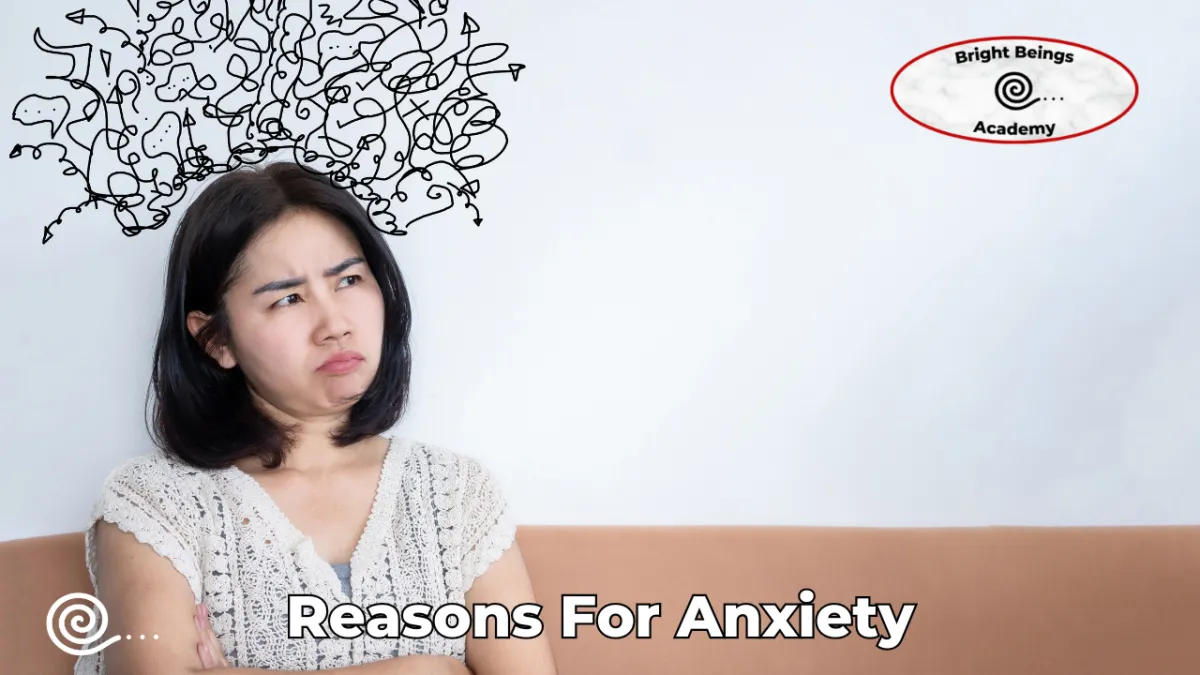
Anxiety Reasons Outlined
Anxiety Reasons Outline: A Comprehensive Look at the Causes of Anxiety
Anxiety is a feeling of fear, dread, or uneasiness that is often a natural response to stress. While it can help us prepare for challenges and focus on tasks, excessive or persistent anxiety can disrupt daily life, indicating the presence of an anxiety disorder. These disorders are among the most common mental health conditions, affecting nearly 30% of adults at some point. Understanding the causes and contributing factors can help individuals address their symptoms and seek appropriate support.
1. Types of Anxiety Disorders
Anxiety disorders encompass a wide range of conditions, each with unique characteristics:
Generalised Anxiety Disorder (GAD)
GAD involves excessive, unrealistic worry about everyday tasks or situations, often interfering with daily activities.
Panic Disorder
Characterised by recurrent panic attacks, this condition leads to intense fear accompanied by physical symptoms such as heart palpitations, sweating, or shortness of breath.
Specific Phobias
An excessive fear of specific objects or situations, such as heights, animals, or flying, defines this condition.
Social Anxiety Disorder
This disorder involves an intense fear of social situations, particularly the fear of being judged or humiliated.
Agoraphobia
Marked by a fear of situations where escape may be difficult, such as crowded places or public transport.
Separation Anxiety Disorder
An excessive fear of being apart from loved ones, often observed in children but also present in adults.
Selective Mutism
An inability to speak in specific social situations, despite being able to speak in other scenarios.
2. Causes of Anxiety
Anxiety is a multifaceted condition, often arising from a combination of biological, environmental, psychological, and lifestyle factors.
A. Biological Factors
Genetics: A family history of anxiety disorders increases susceptibility.
Brain Chemistry: Imbalances in neurotransmitters like serotonin, dopamine, and GABA can contribute to anxiety.
Brain Structure: Overactivity in the amygdala, responsible for processing fear, is linked to heightened anxiety.
B. Environmental and Psychological Factors
Stressful Life Events: Significant changes, such as job loss or a health crisis, can trigger anxiety.
Trauma: Childhood abuse, neglect, or witnessing violence increases the risk of anxiety disorders.
Personality Traits: Shy or introverted individuals may be more prone to developing anxiety.
Societal Pressures: Cultural expectations, discrimination, and social media can exacerbate anxiety.
C. Lifestyle Factors
Substance Use: Caffeine, alcohol, and drugs can worsen symptoms or lead to withdrawal-related anxiety.
Sleep Deprivation: Poor sleep heightens stress and anxiety levels.
Diet and Exercise: A lack of nutritious food or physical activity may contribute to heightened anxiety.
D. Medical Factors
Chronic Conditions: Illnesses like heart disease, asthma, or diabetes can mimic or worsen anxiety symptoms.
Medication Side Effects: Certain medications may provoke anxious reactions as a side effect.
3. Treatment and Management Of Anxiety
Anxiety disorders are manageable through professional intervention and self-care strategies.
A. Professional Help
Psychotherapy: Cognitive Behavioural Therapy (CBT) is particularly effective, helping individuals identify and manage thought patterns that contribute to anxiety.
Medication: Anti-anxiety and antidepressant medications can provide relief, though they should be prescribed and monitored by a doctor.
B. Self-Help Strategies
Stress Management: Techniques like mindfulness, meditation, and deep breathing help regulate the mind.
Healthy Habits: Prioritising sleep, maintaining a balanced diet, and regular exercise can significantly alleviate anxiety.
Support Networks: Sharing experiences with loved ones or joining support groups can foster understanding and connection.
Journaling: Writing down thoughts can reveal triggers and patterns, aiding in managing anxiety.
C. Qi Gong at Bright Beings Academy
Although not included in conventional sources, Qi Gong is a traditional practice combining breathwork, gentle movement, and meditation. Its focus on relaxation and mindfulness can be a powerful tool for anxiety relief. At the Bright Beings Academy, Qi Gong classes can provide:
Relaxation Techniques: Encouraging calm and stress reduction.
Improved Breathwork: Enhancing focus and emotional regulation.
Holistic Benefits: Addressing both physical and mental well-being.
Anxiety And The Bright Beings Academy
Anxiety is a common yet treatable condition. By understanding its causes, seeking professional support, and adopting self-care strategies, individuals can regain control and lead fulfilling lives. Whether through traditional methods like therapy and medication or alternative practices like Qi Gong, the path to anxiety management is personal and varied.
If you're seeking holistic solutions, consider exploring Qi Gong at Bright Beings Academy. Take the first step towards managing your anxiety today—your well-being is worth it.
FAQs
1. What are the main causes of anxiety?
Anxiety often stems from a combination of genetic, biological, environmental, and lifestyle factors, including stress, trauma, and brain chemistry imbalances.
2. How can I tell if my anxiety is a disorder?
If your anxiety is persistent, excessive, and interferes with daily life, it may indicate an anxiety disorder. Consulting a healthcare professional is crucial for a diagnosis.
3. Can lifestyle changes help with anxiety?
Yes, incorporating regular exercise, maintaining a healthy diet, practising mindfulness, and improving sleep can significantly reduce anxiety symptoms.
4. Is Qi Gong effective for anxiety?
Qi Gong, with its focus on mindfulness, breathwork, and relaxation, has been shown to reduce stress and promote overall well-being.
5. When should I seek professional help for anxiety?
Seek help if your anxiety feels overwhelming, lasts for an extended period, or affects your ability to perform daily tasks.
Learn Qi Gong At The Bright Beings Academy
Qi Gong is a holistic and empowering workout for the whole body, offering a balance of physical fitness, mental clarity, and emotional well-being. With just an hour a day, you can transform your health from the comfort of your home. There are also mentoring options to membership, if you need one to one guidance on helping with any neck issues.
Qi Gong was amazing for me to help with my anxiety when I was losing my career in the music business as a bass player, and then decided to become a Qi Gong instructor because of the way it helped me with my anxiety.
Join the Bright Beings Academy today for live and on-demand Qi Gong classes. Start your 2-week free trial now by clicking the link below and take the first step toward a healthier, more balanced you!
I look forward to connecting with you in my next post.
Until then, be well and keep shining.
Peter :)
Self-Image And Self Realisation Mentor and Qi Gong Instructor
Categories and website home
Website - Qi Gong - Meditation - HSP - Spirituality - Sound Healing