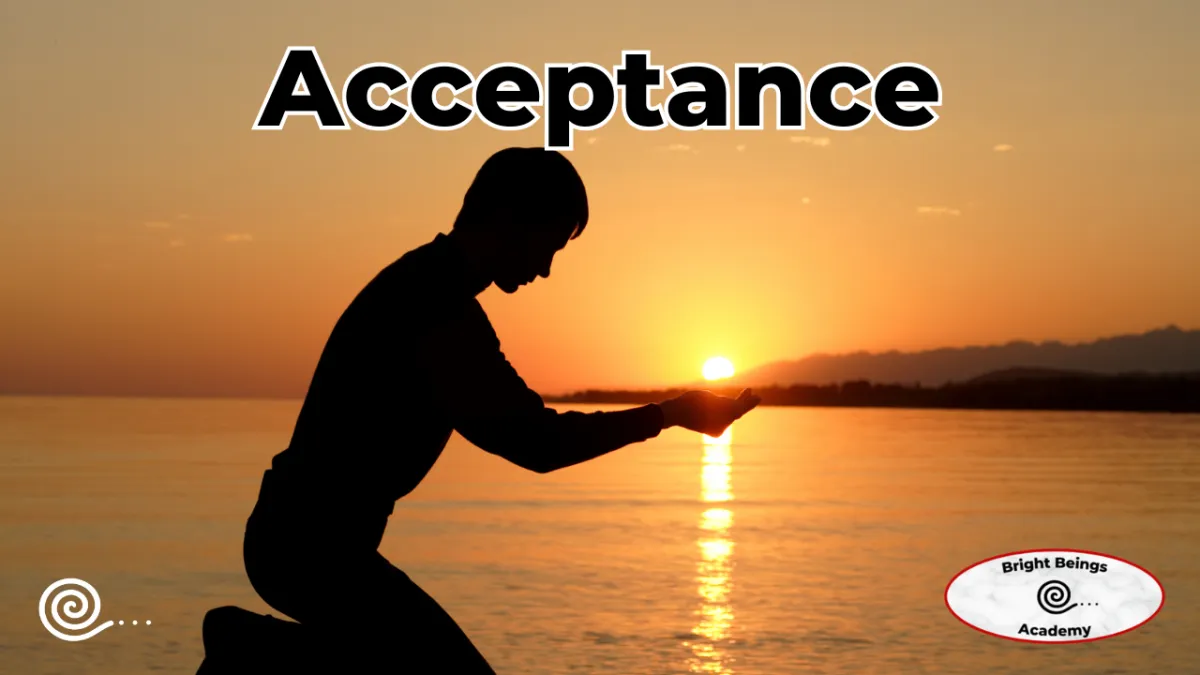
Acceptance
Acceptance is a multifaceted concept with applications in various aspects of life, from mental health to international trade. It is a powerful tool that can lead to improved well-being and a more balanced life. This article explores the meaning of acceptance, its benefits, and practical ways to integrate it into daily life.
What is Acceptance?
At its core, acceptance is allowing things to be as they are without actively trying to change them. This involves acknowledging and embracing thoughts, feelings, and experiences without judgement, even unpleasant or distressing ones. Acceptance means recognising the current nature of a situation without endorsing it.
Importantly, acceptance does not imply liking, wanting, or approving of a situation. Instead, it is an active choice to acknowledge reality and move forward without resistance.
Key Principles of Acceptance
Non-Judgment
Acceptance involves observing experiences without labelling them as ‘good’ or ‘bad’. A non-judgemental stance fosters objectivity and clarity.
Present Moment Focus
It encourages mindfulness by anchoring you in the present, steering you away from wishing things were different.
Willingness
Acceptance is a conscious choice to engage with reality rather than avoid, resist, or judge it.
Active Process
Acceptance requires regular practice and effort, making it an ongoing journey.
Separation of Fact and Opinion
It’s essential to differentiate between facts and personal interpretations of a situation.
Not Resignation
Acceptance doesn’t mean giving up; it’s about recognising what can and cannot be changed.
Acceptance vs. Related Concepts
Self-Acceptance
Self-acceptance involves embracing all aspects of yourself, both positive and negative, without conditions or exceptions.
Self-Esteem
While self-esteem refers to your evaluation of your worth, self-acceptance is about acknowledging and accepting yourself as you are.
Forgiveness
Forgiveness is an act directed towards others, whereas acceptance is often an act of kindness towards yourself.
Mindfulness
Mindfulness is a technique that promotes non-judgemental awareness of the present moment and can be used to practice acceptance.
Benefits of Acceptance
Practising acceptance offers numerous benefits:
Reduced Suffering: By not resisting pain, you can alleviate unnecessary suffering.
Improved Emotional Regulation: Acceptance fosters a calm and resourceful emotional state.
Increased Psychological Flexibility: It enables you to adapt to changes and challenges.
Enhanced Mental Health: Acceptance has been linked to better outcomes in managing stress, anxiety, and depression.
Clarity in Decision-Making: Acceptance provides the mental clarity to make thoughtful decisions.
Greater Serenity: Acceptance promotes inner peace and frees you from unproductive emotional struggles.
Practising Acceptance
Mindfulness
Engage in mindfulness practices to develop non-judgemental awareness of your thoughts and emotions.
Self-Reflection
Examine habitual attitudes towards yourself and strive for gentleness and compassion.
Journaling
Document your feelings and experiences to process emotions constructively.
Reframe Language
Shift from statements like, “This shouldn’t have happened” to “This is how it happened.”
Relaxation Techniques
Utilise Qi Gong, meditation or deep breathing to ease tension and foster acceptance.
Radical Acceptance Exercises
Identify situations where you struggle with resistance, remind yourself that reality can’t be changed, and let yourself feel emotions fully without judgement.
Radical Acceptance
Radical acceptance, a concept from dialectical behaviour therapy (DBT), involves fully acknowledging situations and emotions without resistance. It’s particularly useful for managing difficult emotions and navigating challenging circumstances.
When to Use Radical Acceptance
Coping with loss or change
Managing difficult emotions
Preventing rumination
Letting go of past events
When Radical Acceptance Is Not Appropriate
In abusive situations where action is needed
When avoiding change is detrimental
As a substitute for therapy or medication
Acceptance in Different Contexts
Mental Health
Acceptance is foundational in therapies like cognitive and dialectical behaviour therapy for addressing emotional regulation and distress.
Self-Care
Incorporate acceptance into daily routines to foster well-being and manage energy effectively.
Relationships
Understanding that you cannot control others fosters healthier interpersonal dynamics.
Addiction Recovery
Acceptance helps individuals confront denial and embrace the recovery process.
Challenges and Overcoming Them
Resistance is a common obstacle to acceptance. Strategies to overcome it include:
Practising Self-Compassion: Treat yourself with kindness, recognising that acceptance is a gradual process.
Seeking Support: Engage with therapists, support groups, or trusted confidants.
Using Tools: Mindfulness apps and guided meditations can reinforce the practice of acceptance.
Frequently Asked Questions About Acceptance
1. Is acceptance the same as giving up?
No. Acceptance is about acknowledging reality, not passively resigning to it. It allows for thoughtful responses rather than reactive resistance.
2. Can acceptance improve mental health?
Yes. Acceptance helps reduce anxiety, stress, and depression by fostering emotional regulation and resilience.
3. How long does it take to practice acceptance effectively?
Acceptance is an ongoing journey. With consistent effort, you may notice improvements in your mindset and well-being within weeks or months.
4. Is radical acceptance useful in every situation?
No. While helpful in many scenarios, it’s not appropriate for addressing situations where change is possible or necessary, such as abusive relationships.
5. Can acceptance techniques be learned without therapy?
Yes. While therapy can be beneficial, mindfulness, journaling, and self-reflection are accessible tools to practice acceptance independently.
Embracing Acceptance
Embracing acceptance is an incredibly powerful exercise that can revolutionise the way individuals tackle the unwelcome experiences of life with untold strength and clear vision. This art of acknowledgment and the conscious effort to maintain a non-judgmental perspective toward life’s events prepares one to face adversities and trials with fortified resilience.
When you adopt this mindset and accept the unchangeable aspects of your reality, you inherently decrease the potential for self-inflicted distress and pave the way for a life that is not overshadowed by resistance to what is.
Being Present Is Key To Acceptance
By learning how to cultivate an unconditional recognition of the present circumstances, while suspending critical judgement, you permit yourself to lessen the burdens of struggle and discontent.
Nurturing this attitude enables an individual to step into a sphere of existence that is characterised by emotional equilibrium and enriched satisfaction. The ongoing practice of acceptance does not just minimise the agony brought about by opposing life's natural flow, but it also opens up avenues for personal growth and contentment that are grounded in the truth of now.
Committing to this principle cultivates a sanctuary within, fostering a harmonious and rewarding journey through life's unpredictable landscapes.
Acceptance Does Not Mean Let Things Be As They Are
Personally for me, being born as a highly sensitive human being, I have never accepted the way that we live as a society. I have now accepted we are where we are, which has been much easier on my mental health.
And now I am searching for ways to change where we are. It is a different place to be in. My resistance to society as a whole led me to many passionate debates with professionals in psychology and the medical industry, mainly about human nature. And they all conceded I had a point.
And I have always believed that human beings have this amazing ability to change. Because we all do. And we do not have to accept this corrupted world. I do not feel alone in these feelings any more, because I am now meeting more and more people who are actually feeling the same.
Our Conditioned Self Image And Acceptance
Self Image is the mental picture you have of yourself. And it is conditioned from a very early age. This conditioning seems to have led so many people to say to me over the years, "Well, there is nothing I can do about that!" Mainly, I would have been talking about the state of society. And my answer is, yes you can.
It is true, you cannot change other people. But you can certainly change yourself. And this has been my passion for a few years now, to help people rewrite the self-image and live a life that is not so conditioned.
To take the next step in transforming your self-image, sign up for my Free Self-Image Webinar. Learn how to rewire your mindset and build lasting confidence using proven techniques from the Dream Method. Click the link below to experience the free self-image webinar and see if the 5 steps of the Dream Method resonate with you. Click the link below to get you started in building your confidence today.
Click the link below for the free Self-Image Webinar.
Watch The Free Webinar By Clicking Here
Categories and website home
Website - Qi Gong - Meditation - HSP - Spirituality - Sound Healing
I look forward to connecting with you very soon.
Until then, be well and keep shining.
Peter. :)
Self-Image Coach and Qi Gong Instructor