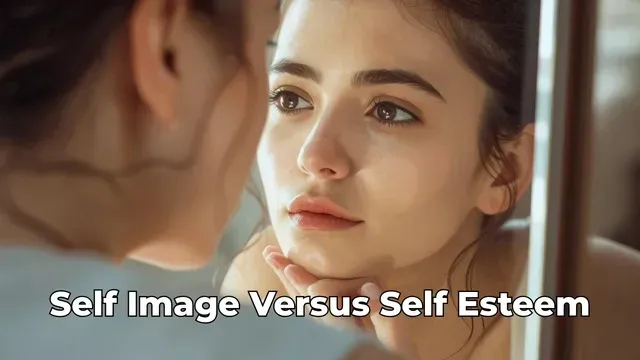
Self‑Image vs Self‑Esteem vs Self‑Worth: Know the Difference
Self image vs self esteem is a comparison many people search for when they are trying to understand why their confidence feels fragile or inconsistent. The terms are often used as if they mean the same thing, yet they describe different parts of how we experience ourselves.
Self image refers to the internal picture you hold of who you are.
Self esteem reflects how positively or negatively you evaluate yourself.
Self worth speaks to a deeper sense of inherent value that does not depend on performance or approval.
Because these ideas overlap, they are frequently confused. When confidence drops, people often assume the problem is low self esteem. Yet in many cases the deeper influence is self image — the internal story about who you believe yourself to be.
This distinction matters. If the inner picture of yourself is distorted by criticism, rejection, or early emotional wounds, self esteem will naturally fluctuate. Efforts to build confidence alone may then feel temporary or forced.
Understanding the difference between self image, self esteem, and self worth can therefore bring relief. Instead of trying to push confidence higher, you begin to explore the deeper patterns shaping how you see yourself.
If you are new to this topic, the foundation for understanding it begins with Self Image: How Healing Your Inner World Changes How You See Yourself, which explains how self image forms and why it influences so many areas of life.
In the sections that follow, we will explore the difference between self image, self esteem, and self worth more clearly — and why healing the inner picture of yourself can quietly transform how you experience confidence, relationships, and identity.

Self Image vs Self Esteem vs Self Worth: Why People Confuse Them
Understanding self image vs self esteem vs self worth becomes easier when we see that each describes a different layer of identity.
Many people use the terms self image, self esteem, and self worth interchangeably. On the surface they appear to describe the same experience: how you feel about yourself.
Yet they point to different layers of identity.
Self image is the internal picture you carry of who you are. It forms gradually through childhood experiences, relationships, cultural messages, and emotional memories. It shapes how you expect to be seen and how you believe you fit into the world.
Self esteem is more evaluative. It reflects how positively or negatively you judge yourself. This can rise or fall depending on success, feedback, or comparison with others.
Self worth sits deeper still. It relates to the sense that your value as a human being is inherent rather than earned. When self worth is stable, a person can experience mistakes or criticism without feeling fundamentally diminished.
Because these layers interact closely, it can be difficult to see where one ends and another begins. When self esteem drops, the underlying cause may actually be a painful self image. When self worth feels fragile, the deeper story a person holds about themselves may be shaping that experience.
Understanding these distinctions allows a more compassionate approach to healing. Instead of trying to simply raise confidence, attention can turn toward the deeper patterns shaping how identity is formed.
If you would like a fuller explanation of how these internal patterns develop, How Self Image Is Formed and Why It Feels So Hard to Change explores the early experiences that quietly shape the way we see ourselves.
What Self Image Really Means
Self image describes the internal picture you hold of yourself. It is the quiet sense of “this is who I am” that sits beneath many thoughts, reactions, and expectations.
This picture is rarely created consciously. It forms gradually through repeated experiences. Childhood messages, emotional responses from caregivers, cultural expectations, and moments of belonging or rejection all leave their mark.
Over time these experiences shape a set of assumptions about yourself.
You may begin to believe you are capable or incapable.
Welcome or burdensome.
Strong or fragile.
Enough or somehow lacking.
These beliefs do not always appear as clear thoughts. Often they operate beneath awareness, quietly influencing how you interpret situations and how you expect others to respond to you.
Because self image functions at this deeper level, it can shape behaviour without you realising it. A person who sees themselves as inadequate may downplay their achievements. Someone who believes they are “too much” may become careful about expressing their needs.
When people attempt to improve confidence without addressing self image, the changes often feel temporary. The deeper internal picture continues to guide reactions and expectations.
This is why many healing approaches focus on gently exploring the roots of identity rather than simply increasing motivation or confidence. When the internal picture begins to soften and expand, many other aspects of wellbeing begin to shift naturally.
If this theme resonates, Self Image: How Healing Your Inner World Changes How You See Yourself explores how self image forms and how it can gradually transform through emotional healing and self-understanding.
What Self Esteem Actually Refers To
Self esteem refers to how positively or negatively you evaluate yourself. It reflects the judgement you place on your abilities, behaviour, and perceived success.
People often notice self esteem most clearly when it fluctuates. A compliment may briefly raise it. A mistake or criticism may cause it to drop.
Because of this, self esteem can feel unstable. It is often influenced by comparison, achievement, or how accepted a person feels in a particular moment.
For example, someone might feel confident at work but uncertain in relationships. Another person may feel capable in social situations but doubt themselves when facing new challenges.
This does not necessarily mean something is wrong with them. It simply shows that self esteem is responsive to experience.
However, when self image carries painful assumptions — such as “I am not good enough” or “I will eventually disappoint people” — self esteem becomes much more fragile. Achievements may bring only temporary reassurance, while setbacks can feel deeply personal.
This is why many people spend years trying to increase confidence but still feel uneasy about themselves. The effort is focused on improving performance or gaining approval, while the deeper self image remains unchanged.
If this dynamic feels familiar, Negative Self Image explores how a difficult inner picture can quietly influence confidence, relationships, and emotional wellbeing.
What Self Worth Means at a Deeper Level
Self worth refers to the sense that your value as a human being is inherent. It is the quiet recognition that your existence carries dignity and meaning, regardless of achievement, status, or approval from others.
This is why self worth feels different from self esteem. Self esteem often rises and falls with performance. Self worth remains steady when it is rooted deeply enough.
When self worth is fragile, people may feel that their value must constantly be proven. Success brings temporary reassurance, but mistakes can feel devastating. Approval becomes something that must be earned rather than something that can simply be received.
In many cases, this pattern develops early in life. If love, attention, or safety felt conditional, a child may unconsciously learn that worth depends on being helpful, quiet, successful, or pleasing to others.
Over time this can create a subtle but persistent question inside:
Am I enough as I am?
Healing self worth often begins by recognising that these beliefs were learned rather than inherent truths. When emotional healing unfolds, many people begin to sense that their value was never missing. It was simply obscured by painful experiences and protective patterns.
This process is explored further in The Link Between Shame, Self Image, and Emotional Healing, which explains how early experiences of shame can shape the way people perceive their value and identity.
Why Self Image Often Shapes Self Esteem
Self image and self esteem are closely connected, yet they operate at different levels. Self esteem often reflects how you judge yourself in a particular moment. Self image sits deeper, quietly shaping those judgements.
If a person carries a positive and stable self image, setbacks tend to feel manageable. A mistake may still be uncomfortable, but it does not automatically lead to harsh self-criticism.
However, when self image contains painful assumptions — such as “I am not capable” or “I will eventually disappoint people” — self esteem becomes much more fragile. Even small challenges can feel like confirmation of these deeper beliefs.
This is why some people struggle with confidence even when they achieve a great deal. External success may temporarily raise self esteem, yet the underlying self image continues to influence how they interpret events.
The inner narrative quietly says:
This success will not last.
People will eventually see the real me.
I was just lucky this time.
Over time this pattern can become exhausting. A person may work harder and harder to prove themselves, yet still feel uncertain inside.
When healing begins at the level of self image, something important changes. Instead of constantly trying to boost confidence, the internal picture of the self gradually softens. This allows self esteem to become more stable and less dependent on approval or performance.
If you would like to explore how this inner narrative develops, When Your Self Image Slips: Meeting Inner Criticism Without Collapse explains how the inner critic often reflects deeper patterns within self image.
How Trauma and Early Experiences Influence Self Image
Self image rarely forms in isolation. It develops through the emotional environment a person grows up within.
Children naturally look to the people around them to understand who they are. When caregivers respond with warmth, encouragement, and emotional safety, a child begins to see themselves as welcome and capable.
When the environment is more difficult, the picture can form differently.
Repeated criticism may lead a child to believe they are inadequate.
Emotional neglect may create the sense of being invisible or unimportant.
Unpredictable reactions from adults can make a child feel unsafe expressing themselves.
None of these conclusions are consciously chosen. They arise as a way for the mind and body to make sense of experience.
Over time these early impressions become part of the inner identity. A person may grow into adulthood still carrying subtle beliefs such as:
I must not upset people.
I am too much for others.
I am not good enough.
These beliefs can continue shaping behaviour long after the original experiences have passed.
Understanding this helps bring compassion to the healing process. A difficult self image is not a personal failure. It is often the result of experiences that shaped the nervous system during vulnerable stages of development.
If you would like to explore this connection further, Trauma and Self Image: Why You Feel Broken (and Why You’re Not) explains how early emotional experiences can influence identity and how gentle healing can begin to shift the way you see yourself.
Signs Your Self Image Is Affecting Your Self Esteem
When self image carries painful assumptions, it often shows up through patterns in daily life. Self esteem may appear unstable, rising briefly with success and dropping quickly when challenges arise.
Several signs can suggest that self image is quietly shaping self esteem.
You may notice that achievements never feel fully satisfying. Even when things go well, the feeling fades quickly and is replaced by doubt or self-criticism.
You might also find yourself expecting rejection or disappointment from others. Compliments can feel uncomfortable or difficult to accept, as if they do not quite match the way you see yourself.
For some people, the inner critic becomes very active. Small mistakes can trigger strong feelings of shame or inadequacy, even when others would view the situation as minor.
Another common pattern is comparison. When self image is fragile, it becomes easy to measure yourself against others and feel that you are falling short.
These patterns do not mean something is wrong with you. They often reflect an internal picture that formed earlier in life and has continued shaping expectations.
When the deeper self image begins to shift, many of these experiences soften naturally. Self esteem no longer needs constant reassurance because the inner sense of identity becomes more stable.
If you recognise these patterns, Rebuilding Self Image Without Forcing Change explores gentle ways identity can begin to shift without pressure or self-criticism.
How Self Image, Self Esteem and Self Worth Work Together
Although self image, self esteem, and self worth describe different aspects of identity, they influence one another constantly.
Self image often forms the foundation. It is the inner picture of who you believe yourself to be.
Self esteem then reflects how you evaluate that picture. If the internal story says “I am capable and welcome”, self esteem tends to feel more stable. If the story says “I am inadequate” or “I am a burden”, self esteem can fluctuate more easily.
Self worth sits deeper still. It relates to whether you feel your value as a human being is inherent or conditional.
When self worth is steady, a person can experience mistakes, rejection, or difficulty without feeling fundamentally diminished. Their identity remains intact even when life feels challenging.
However, when self image carries painful assumptions, all three layers can become intertwined. A difficult self image may lead to harsh self-judgement, which then affects self esteem. Over time this can also erode the deeper sense of worth.
Healing often begins by gently working with the internal picture itself. As self image softens and becomes more compassionate, self esteem tends to stabilise and the deeper sense of worth begins to re-emerge.
This process of gradually reshaping identity is explored further in Rewriting Your Self Image, which explains how inner narratives can slowly evolve through emotional healing and self-awareness.
Gentle Ways to Strengthen Self Image and Self Esteem
Strengthening self image and self esteem rarely happens through pressure or self-criticism. In most cases, change occurs through small shifts in awareness and daily experience.
One of the most helpful starting points is noticing the inner dialogue that shapes how you interpret events. Many people carry a quiet stream of self-judgement that has become so familiar it almost disappears into the background.
Simply recognising this voice can begin to soften its influence.
Another helpful step is paying attention to everyday choices. Self image is not only shaped by major life events. It also forms through small moments of self-respect.
Speaking honestly about your needs.
Allowing yourself to rest when tired.
Setting gentle boundaries in relationships.
These simple actions gradually communicate a new message to the nervous system:
My needs matter.
I am allowed to take up space.
I can stay present with myself.
Embodied practices can also support this process. Breath, movement, or quiet reflection help the body experience safety and stability, which allows identity patterns to update over time.
This is why healing self image often involves working with both awareness and the body. When the nervous system begins to feel safer, the internal picture of the self naturally becomes more compassionate.
If you would like practical ways to support this shift, Embodying a Kinder Self Image: Simple Grounding Practices That Stick explores gentle practices that help strengthen self trust and emotional stability.
Why Healing Self Image Changes Everything
When people begin exploring the difference between self image, self esteem, and self worth, one insight often becomes clear: the deepest influence usually comes from self image.
Self esteem may rise and fall with circumstances. Self worth can feel distant when painful experiences have shaped identity. Yet the internal picture of who you believe yourself to be quietly sits beneath both.
When that picture begins to change, many areas of life shift with it.
Relationships often feel less threatening because rejection no longer defines identity. Mistakes become easier to learn from rather than sources of shame. Confidence grows more steadily because it is no longer dependent on constant reassurance.
This does not happen overnight. Self image develops over many years, and healing usually unfolds gradually as new experiences reshape the inner narrative.
Yet even small changes can be powerful. When the mind and body begin to experience a different internal story — one that allows space for compassion and growth — identity becomes more flexible and resilient.
This is why so much emotional healing work focuses on the deeper layers of identity rather than simply trying to increase confidence.
If you would like to explore this process further, Self Image: How Healing Your Inner World Changes How You See Yourself explains how healing inner experiences can gradually transform the way you see yourself and the way you move through the world.
These ideas shape the identity we live from each day. Self-Image and Identity: How the Way You See Yourself Shapes Who You Become explores this relationship further.
Final Thoughts
Understanding the difference between self image and self esteem can bring a surprising sense of clarity.
Many people spend years trying to improve confidence, believing that self esteem is the main issue. Yet confidence often fluctuates because it rests on something deeper — the internal picture a person holds of who they are.
Self image shapes expectations, reactions, and emotional responses long before conscious judgement begins. When that inner picture carries painful assumptions, self esteem naturally becomes fragile.
This is why real change rarely comes from trying to force confidence higher. It begins with gently exploring the deeper story that formed about the self.
As that story softens, something important happens. Confidence becomes steadier, relationships feel less threatening, and mistakes no longer define identity.
The goal is not to create a perfect image of yourself. It is to allow a more truthful and compassionate understanding of who you are to emerge.
That is where lasting change begins.
Next Steps
If understanding the difference between self-image, self-esteem and self-worth has helped you recognise some of the patterns shaping how you see yourself, the next step is to explore your self-image more deeply.
My Self Image: How Healing Your Inner World Changes How You See Yourself guide explores how self-image develops, how earlier experiences can influence the way you see yourself, and how you can begin building a more compassionate and stable relationship with yourself.

Frequently Asked Questions on Self Image Versus Self Esteem
What is the difference between self image and self esteem?
The difference between self image and self esteem lies in what each concept describes.
Self image refers to the internal picture you hold of who you are. It develops over time through experiences, relationships, and emotional memories.
Self esteem refers to how positively or negatively you evaluate yourself. It often changes depending on success, feedback, or comparison with others.
Because self esteem reflects the judgement you place on yourself, it is often influenced by the deeper self image you carry.
Is self image the same as self worth?
Self image and self worth are related but not identical.
Self image describes how you see yourself — the internal story or identity you believe to be true.
Self worth refers to the deeper sense that your value as a human being is inherent and not dependent on achievement or approval.
When self image becomes more compassionate and realistic, many people find that their sense of self worth naturally strengthens.
Can low self image cause low self esteem?
Yes, low self image often contributes to low self esteem.
If a person carries an internal picture that says “I am not good enough” or “I will disappoint people”, their confidence will tend to fluctuate. Even positive experiences may feel temporary because they do not match the deeper identity story.
Healing self image often helps stabilise self esteem because the underlying beliefs about the self begin to change.
Why do people confuse self image and self esteem?
People often confuse self image and self esteem because both relate to how someone feels about themselves.
Self esteem is usually easier to notice because it rises and falls with everyday events. Self image operates more quietly in the background, shaping expectations and emotional reactions over time.
Learning the difference can make personal growth much clearer, because it reveals where deeper healing may be needed.
How can someone improve self image and self esteem?
Improving self image and self esteem usually begins with gentle awareness rather than pressure.
Helpful steps may include noticing self-critical thoughts, exploring early experiences that shaped identity, and practising small acts of self-respect in daily life.
Embodied practices such as breath, movement, or reflective journaling can also help the nervous system feel safer, allowing the internal picture of the self to gradually soften and change.
If you would like to understand this process more deeply, Self Image: How Healing Your Inner World Changes How You See Yourself explains how healing inner experiences can transform the way you see yourself over time.
Further Reading
If you would like to explore how identity, healing, and self-understanding shape the way you see yourself, these articles expand on the ideas discussed here.
Self Image: How Healing Your Inner World Changes How You See Yourself
A deeper guide to how self image forms, why it influences so many areas of life, and how emotional healing can gently transform the way you see yourself.How Self Image Is Formed and Why It Feels So Hard to Change
An exploration of how childhood experiences, emotional patterns, and social conditioning shape identity over time.Negative Self Image
A closer look at how painful internal beliefs develop and how they influence confidence, relationships, and emotional wellbeing.Rewriting Your Self Image
A gentle explanation of how identity can gradually shift through awareness, emotional healing, and compassionate self-reflection.Trauma and Self Image: Why You Feel Broken (and Why You’re Not)
How early emotional experiences and trauma can shape identity — and why healing these wounds can gradually restore a kinder sense of self.
External Research and Further Reading On Self Image
To deepen your understanding of self-image, the following evidence-based resources explore the psychology behind how we see ourselves and how a healthier self-image can be developed.
Ways to Build a Healthy Self-Image – Cleveland Clinic
This article from the Cleveland Clinic explains how self-image develops through life experiences and relationships. It explores the difference between positive and negative self-image and provides practical guidance for developing a healthier internal view of yourself.
The Power of Self-Image – Psychology Today
A psychology-based exploration of how self-image influences mental wellbeing, relationships and confidence. The article also highlights how modern influences such as social media can distort self-perception.
What Is Self-Image in Psychology? – Positive Psychology
A comprehensive overview of the psychological theory of self-image, including how it relates to self-concept and self-esteem. The article also outlines practical exercises and strategies for improving a negative self-image.
Explore The Self-Image Healing Series
Healing self-image is rarely about one single realisation.
It unfolds gradually as you begin to understand where your self-perception came from and how it can change.
The articles below explore different parts of this journey. Some focus on the roots of self-image, while others explore how it appears in everyday life, relationships, work, and spiritual growth.
You may wish to begin with the main guide and then explore the topics that feel most relevant to you.
Self-Image Foundations
Self Image: How Healing Your Inner World Changes How You See Yourself
Healing And Rebuilding Self-Image
Shame and Self Image in Emotional Healing
Self-Image In Everyday Life
People Pleasing and Self Image
Spiritual And Energetic Self-Image
Self-Image and Spiritual Practice
Spiritual Disconnection and Self Image
Spiritually Lost and Self Image
Energy and Self Image (Solar Plexus)
Sustaining Self-Image Growth
If you are new to this topic, the best place to begin is the main guide:
Self Image: How Healing Your Inner World Changes How You See Yourself
I look forward to connecting with you in my next post.
Until then, be well and keep shining.
Peter. :)