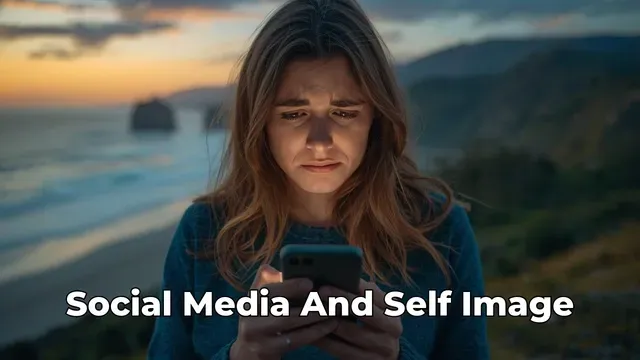
Social Media and Self-Image: Building a Healthier Relationship
Social media and self image have become closely intertwined in modern life. For many people, the way they see themselves is now influenced not only by relationships and personal experiences, but also by the constant stream of images, opinions, and comparisons appearing on their screens.
Social media platforms can quietly shape self image and identity. Photos, achievements, and curated lifestyles appear side by side, creating an environment where comparison becomes almost automatic.
Over time, this can begin to influence how a person views themselves.
You may start questioning your appearance, your success, your relationships, or even the direction of your life. What once felt stable can begin to shift under the pressure of constant exposure to other people’s highlights.
This does not mean social media is inherently harmful. For many people it offers inspiration, learning, and genuine connection. The difficulty arises when the mind begins to measure self-worth against carefully edited fragments of other people’s lives.
When this happens, self image can slowly become shaped by comparison rather than by personal experience.
If you would like to understand the deeper foundations of identity, Self Image: How Healing Your Inner World Changes How You See Yourself explores how self image forms and why external influences can affect how we see ourselves.
In the sections that follow, we will explore how social media influences self image, why comparison becomes so powerful online, and how to build a healthier relationship with digital spaces while staying connected to your authentic sense of self.

Social Media and Self Image: Why Comparison Is So Powerful
Social media intensifies comparison in ways that everyday life rarely does.
In ordinary situations, people usually encounter a limited number of others at work, in friendships, or within their community. Online platforms, however, expose the mind to hundreds or even thousands of lives within a very short period of time.
This creates an environment where comparison becomes almost automatic.
The human brain is naturally wired to evaluate social standing. Throughout history this helped people understand where they belonged within a group. On social media, this instinct is constantly activated.
Images of success, beauty, travel, relationships, and achievement appear one after another. Even when we know these snapshots are carefully chosen moments, the mind can still interpret them as a reflection of how life should look.
Over time this can quietly influence self image.
A person may begin to question whether they are successful enough, attractive enough, productive enough, or living life in the “right” way. What once felt ordinary can start to feel inadequate when placed beside a stream of polished online images.
The difficulty is not simply comparison itself. It is the frequency and intensity of comparison that social media creates.
When this pattern continues for long periods, the internal picture a person holds of themselves may gradually shift. Instead of forming identity through real experience, self image begins to form through digital comparison.
Understanding this influence can help restore perspective. Social media shows fragments of life, not the full reality behind them.
If you have noticed how comparison affects your inner dialogue, When Your Self Image Slips: Meeting Inner Criticism Without Collapse explores how these moments can be met with greater awareness and self-compassion.
Constant comparison can gradually reinforce harmful beliefs about ourselves. Negative Self Image: Why It Forms and How Healing Begins explores how these beliefs develop.
How Social Media Influences Self Image and Identity
Social media does not only affect how we compare ourselves to others. It can also influence the way identity is formed and expressed.
Over time, many people begin to present a particular version of themselves online. Photos are chosen carefully. Thoughts are edited. Moments that feel ordinary or difficult are often left out.
This is understandable. Social media naturally encourages people to share the most positive or interesting parts of life.
Yet this process can slowly create a gap between how life actually feels and how life appears online.
When this gap grows, it can begin to influence self image.
A person may start shaping their identity around how they are perceived digitally rather than how they genuinely experience themselves. Approval through likes, comments, or followers can subtly become a measure of value.
Even when people know this system is superficial, the emotional response can still be powerful. Positive feedback can feel reassuring, while silence or criticism may trigger self-doubt.
Over time this can make identity feel more fragile. Instead of feeling rooted in personal experience, the sense of self becomes partially dependent on external reaction.
This is why it becomes important to maintain a clear inner reference point. Self image becomes more stable when it is grounded in lived experience, relationships, and inner awareness rather than digital validation.
If identity already feels uncertain, Feeling Lost in Yourself: How Spiritual Disconnection Affects Self Image explores how reconnecting with your inner experience can help restore a steadier sense of self.
The Comparison Trap: Why Your Self Image Starts to Shift Online
The comparison trap is one of the most powerful ways social media can influence self image.
When you scroll through a platform, you are often seeing a carefully selected version of other people’s lives. Achievements are highlighted. Appearance is refined through lighting, angles, and editing. Difficult moments rarely appear.
The mind understands this on a rational level. Yet emotionally, the brain often responds as if these images represent everyday reality.
This is where self image can begin to shift.
Instead of measuring life through your own experiences, the mind starts measuring it against an endless stream of curated moments. Small doubts can grow into larger questions about whether you are doing enough, achieving enough, or living in the “right” way.
Over time this repeated comparison can quietly influence identity.
You may begin to see yourself as falling behind others, even when your life is unfolding in a healthy and meaningful way. The internal picture of who you are slowly becomes shaped by what you believe you are lacking.
This does not mean comparison makes someone weak or insecure. It simply reflects how the human brain responds to social signals.
Recognising this pattern is often the first step in loosening its influence. When comparison is seen clearly, it becomes easier to return attention to your own path and experiences.
If this pattern has affected how you see yourself, Negative Self Image explores how comparison and self-criticism can shape identity and how a kinder internal picture can begin to develop.
Why Highly Sensitive People Are More Affected by Social Media
Highly sensitive people often experience social media more intensely than others.
Sensitivity brings many strengths. It allows people to notice subtle emotional cues, respond deeply to beauty and meaning, and form strong connections with others. Yet this same sensitivity can also make environments with constant stimulation more challenging.
Social media is one of those environments.
A highly sensitive person may absorb the emotional tone of what they see online more quickly. Images of success, happiness, or appearance can carry a stronger emotional impact, even when the person knows intellectually that these posts show only selected moments.
This can make comparison feel more personal.
Sensitive people may also reflect deeply on feedback or perceived judgement. A small comment, a lack of response, or subtle social signals online can linger in the mind longer than intended.
Over time, this can begin to influence self image.
Instead of feeling steady in their identity, a highly sensitive person may start adjusting how they see themselves based on what they encounter online. Their inner world becomes shaped by external signals rather than by their own lived experience.
Recognising this dynamic can bring a sense of relief. Sensitivity is not a flaw; it simply means that environments with constant comparison may require clearer boundaries.
If you recognise this pattern, Why Highly Sensitive People Struggle With Self Image (And What Helps) explores how sensitivity and identity interact and how a more stable sense of self can gradually develop.
Social Media, Body Image and Self Image Pressure
One of the strongest ways social media affects self image is through appearance and body image.
Many platforms place heavy emphasis on visual content. Photos and videos are designed to capture attention quickly, which often means that appearance becomes a central focus.
Over time, this can create subtle pressure.
Images online are frequently filtered, edited, carefully lit, or taken from flattering angles. These adjustments are often small, yet when seen repeatedly they can create unrealistic expectations about how bodies should look.
The mind begins to absorb these patterns.
A person may start comparing their natural appearance with highly curated images. Small differences can then feel like flaws, even though the comparison itself is unrealistic.
This pressure can gradually influence self image.
Instead of seeing the body as a living, changing part of human experience, identity can begin to revolve around appearance. Self confidence may then fluctuate depending on how closely someone believes they match the images they encounter online.
This dynamic can affect people of all ages, yet it often becomes particularly intense during periods of personal change or vulnerability.
When self image becomes closely tied to appearance, emotional wellbeing can also feel more fragile. A healthier relationship with identity begins when self image expands beyond how the body looks.
If this theme resonates, Self Image and Body Image: When Appearance Shapes Identity explores how body image pressures develop and how identity can gradually become more grounded and compassionate.
Signs Social Media Is Damaging Your Self Image
Social media does not affect everyone in the same way. For some people it remains a helpful tool for connection and learning. For others, it can quietly begin to influence how they see themselves.
Recognising the signs early can help protect self image before deeper patterns take hold.
One common sign is a growing sense of inadequacy after spending time online. You may notice that your mood changes while scrolling, leaving you feeling behind, unsuccessful, or dissatisfied with aspects of your life.
Another sign is increased comparison. Instead of simply observing what others share, you may begin measuring your appearance, relationships, career, or lifestyle against what you see on screen.
Some people also notice that their inner critic becomes louder after using social media. Small imperfections begin to feel more significant, and self-judgement may increase.
A further signal is the urge to constantly check how others respond to what you post. When identity becomes closely tied to likes, comments, or follower numbers, the sense of self can start to depend on digital feedback.
None of these reactions mean something is wrong with you. They simply indicate that your self image may be absorbing signals from an environment designed to capture attention and stimulate comparison.
When these patterns are recognised, it becomes possible to respond with greater awareness and compassion.
If you recognise these experiences, Rebuilding Self Image Without Forcing Change explores how identity can begin to stabilise again through small, supportive shifts in awareness and daily life.
Creating Healthier Boundaries With Social Media
One of the most effective ways to protect self image is by creating healthier boundaries with social media.
This does not necessarily mean abandoning digital platforms altogether. For many people, social media provides valuable connection, creativity, and learning. The key is developing a relationship with it that supports rather than undermines wellbeing.
The first step is awareness.
Notice how you feel after spending time online. If scrolling leaves you feeling anxious, dissatisfied, or self-critical, this may be a signal that your nervous system needs a pause.
Small adjustments can make a significant difference.
Some people benefit from limiting how often they check social media. Others find it helpful to unfollow accounts that consistently trigger comparison or self-doubt.
Another helpful shift is becoming more intentional about what you consume. Following people who share realistic experiences, thoughtful ideas, or supportive content can create a healthier digital environment.
It can also be helpful to reconnect with activities that ground identity in real life. Time with friends, movement, creativity, or quiet reflection remind the nervous system that identity is shaped through lived experience rather than through online comparison.
These boundaries are not about restriction. They are about protecting the space where self image forms.
If identity already feels unsettled, Self Image in Daily Moments: How Small Choices Rebuild Self Trust explores how small everyday actions can gently restore a steadier sense of self.
Rebuilding Self Image After Online Comparison
When social media has influenced how you see yourself, rebuilding self image begins with patience and self-compassion.
Comparison can gradually reshape the internal picture of who you are. If this pattern has been present for a long time, it is natural that identity may feel uncertain or critical.
The first step is recognising that comparison does not define you.
Much of what appears online reflects curated moments rather than everyday reality. People naturally share highlights, achievements, and carefully selected images. The mind may interpret these as the whole story, even though they are only fragments.
Gently returning attention to your own life can begin to restore balance.
This might involve noticing what genuinely matters to you rather than what appears impressive online. Personal values, relationships, creativity, learning, and growth often reveal a richer picture of identity than social media comparisons ever could.
It can also help to reconnect with the body and everyday experience. Time spent walking, breathing, reflecting, or engaging in meaningful activities helps the nervous system move away from comparison and back toward presence.
As this happens, the inner narrative can begin to soften.
Instead of measuring yourself against others, identity slowly becomes rooted again in your own lived experience. This shift allows self image to stabilise and self respect to grow more naturally.
If you would like to explore this healing process further, Rewriting Your Self Image explains how identity can gradually evolve through awareness, emotional healing, and compassionate self-understanding.
Using Social Media Without Losing Your Sense of Self
Social media becomes far healthier when it is used consciously rather than automatically.
The goal is not to eliminate digital spaces from your life. Instead, it is to remain anchored in your own identity while engaging with them.
One helpful shift is remembering that social media shows fragments, not full lives. Each post is a selected moment, often shaped by editing, timing, and presentation. When this is kept in perspective, comparison tends to lose some of its emotional power.
Another supportive practice is staying connected to your internal experience while using these platforms. Notice how your body feels as you scroll. If tension, frustration, or self-criticism begin to arise, it may be a signal to pause.
Returning attention to your own life also helps protect self image.
Real conversations, creative work, movement, learning, and meaningful relationships all strengthen identity in ways that digital approval cannot. These experiences remind the nervous system that self image develops through lived experience, not through online validation.
Over time, this creates a healthier relationship with social media. Instead of shaping who you are, these platforms simply become tools you use.
If you would like to deepen this understanding, Self Image in Daily Moments: How Small Choices Rebuild Self Trust explores how everyday choices gradually strengthen a stable and compassionate sense of self.
Final Thoughts
Social media has become a powerful influence on how people see themselves.
The constant flow of images, opinions, and achievements can quietly shape self image, often without us realising it. Over time, comparison may begin to influence how we evaluate our appearance, our success, or the direction of our lives.
Yet it is important to remember that identity does not originate online.
Self image forms through lived experience, emotional connections, and the stories we carry about who we are. Digital spaces may influence these perceptions, but they do not have to define them.
When awareness grows, a different relationship with social media becomes possible.
Instead of measuring yourself against curated snapshots of other people’s lives, you begin to reconnect with your own path. What matters to you, what brings meaning to your life, and how you experience yourself in the real world become more important than online comparison.
This shift is often subtle, but it can be deeply stabilising.
Self image begins to root itself again in authenticity rather than in digital approval. Confidence becomes less dependent on external reactions and more grounded in personal experience.
In this way, social media can return to what it was originally meant to be — a tool for connection rather than a mirror that distorts how you see yourself.
Next Steps
If social media has been influencing how you see yourself, the next step is not to force yourself to feel more confident. It can be more helpful to understand how your self-image has been shaped and begin rebuilding a steadier relationship with yourself.
My Self Image: How Healing Your Inner World Changes How You See Yourself guide explores how self-image forms, how experiences and relationships can influence the way you see yourself, and how that internal picture can gradually become more stable and compassionate.

FAQs on Social Media and Self Image
How does social media affect self image?
Social media can influence self image through constant comparison and exposure to curated content. When people repeatedly see images of success, appearance, or lifestyle highlights, the mind may begin comparing personal experiences with these snapshots.
Over time this can shape how someone views themselves, sometimes creating doubt or dissatisfaction even when their life is unfolding in a healthy way.
Why does social media make people compare themselves to others?
Social media encourages comparison because it presents many lives side by side in a very short space of time. The human brain naturally evaluates social position, and online platforms amplify this instinct.
When people scroll through images of achievements, travel, relationships, or appearance, the mind may begin measuring personal progress against these curated moments.
Can social media lower self esteem and self image?
Yes, in some cases social media can influence both self esteem and self image.
If someone regularly compares themselves with edited or carefully selected online content, they may begin to feel that their own life falls short. This can gradually affect confidence and the internal picture they hold of themselves.
Developing awareness and healthy boundaries with social media can help reduce this influence.
Why are highly sensitive people more affected by social media?
Highly sensitive people often process emotional information more deeply. This means that images, opinions, and feedback online may carry stronger emotional impact.
Because social media environments are fast-moving and comparison-heavy, sensitive people may absorb these signals more quickly. Creating intentional boundaries and reconnecting with real-life experiences can help stabilise self image.
How can you protect your self image while using social media?
Protecting self image begins with awareness of how digital environments influence emotions and thoughts.
Helpful steps include limiting comparison-triggering accounts, reducing time spent scrolling, and focusing more on real-life relationships and experiences.
If you would like to understand how identity forms beneath these influences, Self Image: How Healing Your Inner World Changes How You See Yourself explains how the internal picture of yourself develops and how it can gradually become more stable and compassionate.
Further Reading
If you would like to explore how identity forms and how self image can be influenced by comparison, relationships, and emotional experiences, these articles expand on the ideas discussed here.
Self Image: How Healing Your Inner World Changes How You See Yourself
A deeper guide to how self image forms and how emotional healing can gradually transform the way you see yourself.
When Your Self Image Slips: Meeting Inner Criticism Without Collapse
Explores how moments of self-doubt and criticism arise and how to respond with greater awareness and compassion.
Negative Self Image
A closer look at how painful internal beliefs about the self develop and how they influence confidence, comparison, and emotional wellbeing.
Self Image in Daily Moments: How Small Choices Rebuild Self Trust
Shows how everyday actions and small decisions can gradually stabilise identity and strengthen self-trust.
Why Highly Sensitive People Struggle With Self Image (And What Helps)
Explains why sensitive people often experience identity pressure more strongly and how a steadier, kinder self image can develop.
External Research and Further Reading On Self Image
To deepen your understanding of self-image, the following evidence-based resources explore the psychology behind how we see ourselves and how a healthier self-image can be developed.
Ways to Build a Healthy Self-Image – Cleveland Clinic
This article from the Cleveland Clinic explains how self-image develops through life experiences and relationships. It explores the difference between positive and negative self-image and provides practical guidance for developing a healthier internal view of yourself.
The Power of Self-Image – Psychology Today
A psychology-based exploration of how self-image influences mental wellbeing, relationships and confidence. The article also highlights how modern influences such as social media can distort self-perception.
What Is Self-Image in Psychology? – Positive Psychology
A comprehensive overview of the psychological theory of self-image, including how it relates to self-concept and self-esteem. The article also outlines practical exercises and strategies for improving a negative self-image.
Explore The Self-Image Healing Series
Healing self-image is rarely about one single realisation.
It unfolds gradually as you begin to understand where your self-perception came from and how it can change.
The articles below explore different parts of this journey. Some focus on the roots of self-image, while others explore how it appears in everyday life, relationships, work, and spiritual growth.
You may wish to begin with the main guide and then explore the topics that feel most relevant to you.
Self-Image Foundations
Self Image: How Healing Your Inner World Changes How You See Yourself
Healing And Rebuilding Self-Image
Shame and Self Image in Emotional Healing
Self-Image In Everyday Life
People Pleasing and Self Image
Spiritual And Energetic Self-Image
Self-Image and Spiritual Practice
Spiritual Disconnection and Self Image
Spiritually Lost and Self Image
Energy and Self Image (Solar Plexus)
Sustaining Self-Image Growth
If you are new to this topic, the best place to begin is the main guide:
Self Image: How Healing Your Inner World Changes How You See Yourself
I look forward to connecting with you in my next post.
Until then, be well and keep shining.
Peter. :)